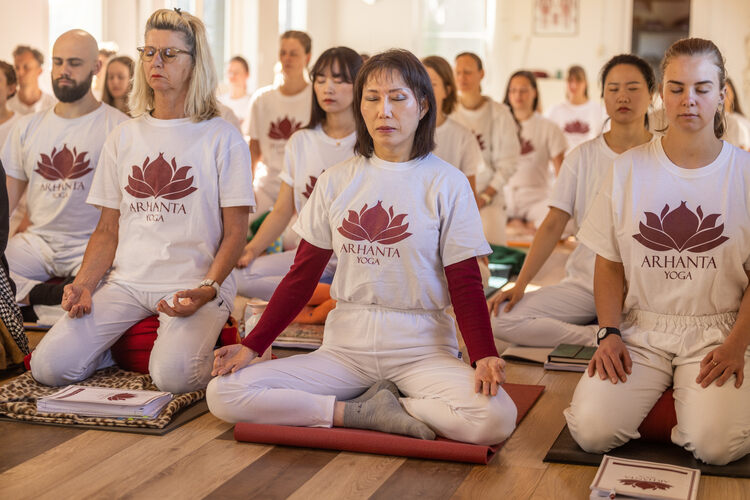
Hey there, friend. Picture this: It’s a crisp morning in 2018, and I’m fumbling through my first Vinyasa class in a dimly lit studio downtown. Sweat’s already beading on my forehead five minutes in, and the instructor’s voice—calm as a summer breeze—keeps pulling me back to my breath. “Inhale to rise, exhale to fold,” she says, like it’s the easiest thing in the world. For me, a desk-bound writer with zero flexibility, it felt like learning to dance with an invisible partner. That class hooked me, not because I nailed every pose, but because it made me feel alive, connected, and yeah, a little goofy when I toppled out of Warrior III. If you’re dipping your toes into Vinyasa yoga, whether as a curious student or an aspiring teacher, you’re in for something transformative. Let’s unpack it together, step by flowing step.
The Roots of Vinyasa Yoga: Where Flow Meets Tradition
Vinyasa yoga didn’t just pop up in trendy studios overnight—it’s got deep roots in ancient practices, blended with modern flair. The term “Vinyasa” comes from Sanskrit, breaking down to “vi” (in a special way) and “nyasa” (to place), essentially meaning to arrange with intention. Think of it as the art of mindful sequencing, born from the teachings of T. Krishnamacharya in the early 20th century, the guy often called the father of modern yoga.
This style evolved from Ashtanga, but traded rigid structure for creative freedom. By the 1970s, teachers like K. Pattabhi Jois and B.K.S. Iyengar were influencing Western adaptations, turning it into the breath-synced flows we love today. It’s less about perfection and more about the journey—much like life, right? I remember my early days obsessing over “doing it right,” only to laugh years later when my teacher said, “The mat doesn’t judge; it’s your mirror.”
What Makes Vinyasa Yoga Unique? Breath as Your Guide
At its heart, Vinyasa is all about syncing breath with movement, creating a seamless flow that feels like a moving meditation. Unlike static holds, you’re transitioning fluidly—inhale to lengthen, exhale to deepen—building heat and awareness without the rush. It’s versatile, too: A class might weave sun salutations with twists and balances, always circling back to that core rhythm.
What sets it apart? The creativity. No two classes are identical, so boredom isn’t an option. For students, it’s empowering; for teachers, it’s a canvas. I once improvised a sequence around a student’s “hip-opening blues,” turning frustration into flow. That adaptability? It’s Vinyasa’s secret sauce, making it accessible yet endlessly challenging.
Vinyasa Yoga for Beginners: Starting Your Flow Without the Flop
If you’re new to this, don’t sweat it—Vinyasa welcomes beginners with open arms (and modifications). Start slow: Focus on ujjayi breath, that soft ocean sound in your throat, to anchor the chaos. Classes often begin with gentle warm-ups, easing you into poses like Downward Dog or Low Lunge.
Expect to feel wobbly at first—heck, I did a face-plant in my inaugural Tree Pose, giggling through the embarrassment. The key? Listen to your body, not the ego. Opt for “all-levels” sessions where teachers offer props and options. Before long, you’ll crave that post-class glow, like you’ve danced through a storm and come out shining.
Essential Beginner Poses to Master
Sun Salutations (Surya Namaskar) form the backbone—try A for simplicity, flowing through Mountain to Forward Fold and back. They’re your warm-up ritual, building stamina without overwhelm.
Warrior I and II ground you in strength; step wide, bend that front knee, and feel the power surge. I use them on off-days to shake off desk hunch—pure magic for tight hips.
Child’s Pose is your reset button anytime things heat up. Kneel, fold forward, arms extended—it’s a hug from the universe, whispering, “You’ve got this.”
Benefits of Vinyasa Yoga: Why It’s a Game-Changer for Body and Mind
Vinyasa isn’t just exercise; it’s a full-body reset that sneaks in cardio while toning muscles and easing stress. Physically, it boosts flexibility, core strength, and heart health—studies show it can even reduce arterial stiffness, keeping you supple as you age.
Mentally? That breath-movement link quiets the monkey mind, slashing anxiety like a well-timed exhale. I turned to it during a brutal writing slump, and suddenly, ideas flowed freer than my poses. Emotionally, it’s a mood lifter—endorphins plus that “I did it” high? Unbeatable. Plus, a dash of humor: Nothing humbles you like a rogue Chaturanga reminding you life’s not all planks and perfection.
Physical Perks That’ll Hook You
- Builds endurance: The constant flow mimics interval training, torching calories without the treadmill dread.
- Enhances balance: Poses like Half Moon challenge stability, turning everyday stumbles into graceful steps.
- Improves posture: Backbends counteract slouchy screen life—my shoulders thank me daily.
Mental and Emotional Wins
Vinyasa fosters mindfulness, turning inward amid the motion. It’s therapy on the mat: Release grudges in a twist, embrace vulnerability in a backbend. One student shared how it mended her post-breakup blues—proof it’s as healing as it is sweaty.
Vinyasa vs. Other Styles: Finding Your Flow Fit
Curious how Vinyasa stacks up? It’s the creative cousin in the yoga family—less rigid than Ashtanga, faster than Hatha. All share breath and poses, but Vinyasa’s the improviser, adapting to your vibe.
Hatha emphasizes holds for alignment and calm—great for unwinding. Ashtanga’s fixed sequence builds discipline, like a yoga boot camp. Vinyasa? It’s your playlist on shuffle: Energizing, unpredictable, perfect for variety seekers.
Quick Comparison Table: Vinyasa, Hatha, and Ashtanga
| Aspect | Vinyasa Yoga | Hatha Yoga | Ashtanga Yoga |
|---|---|---|---|
| Pace | Dynamic flow, breath-synced | Slow, steady holds | Vigorous, fixed sequence |
| Focus | Breath-movement connection | Alignment and relaxation | Strength and endurance |
| Sequence | Creative, varies by teacher | Balanced, pose-by-pose | Six set series, repetitive |
| Best For | Energy boost, cardio | Beginners, stress relief | Discipline, advanced practice |
| Intensity | Moderate to high | Gentle to moderate | High |
This table’s a snapshot—try them all to see what resonates. I bounced between Hatha for chill nights and Vinyasa for fire-up mornings; it’s like coffee vs. tea for your soul.
Props and Tools for Vinyasa: Your Secret Sidekicks
Props aren’t crutches—they’re enhancers, making flows safer and deeper. In Vinyasa’s quick transitions, a block under your hand in Triangle prevents tweaks, while a strap extends reach in binds.
Start simple: A grippy mat for stability, blocks for lifts, strap for hamstrings. I swear by cork blocks—they’re eco-friendly and add traction. For teachers, weave them in seamlessly: “Option to block it up!” keeps everyone included.
Pros and Cons of Common Vinyasa Props
Yoga Blocks:
- Pros: Boost height in poses, aid balance; versatile for all levels.
- Cons: Can feel bulky in fast flows; invest in lightweight ones.
Straps:
- Pros: Extend flexibility gently; great for shoulder openers.
- Cons: Slippery nylon versions—go cotton for grip.
Bolsters (for cooler-downs):
- Pros: Support in restorative twists; luxurious savasana vibe.
- Cons: Pricey; blankets sub in a pinch.
Humor alert: My first block slip turned a fierce Warrior into a comedy sketch—lesson learned, props included.
Where to Find Vinyasa Classes: From Studios to Your Screen
Hunting classes? Local studios shine for community—check Yoga Alliance for certified spots near you. Apps like Glo or Alo Moves deliver on-demand flows; I love Glo’s themed series for variety.
For transactional intent, snag deals on platforms like ClassPass. Teachers, scout Yoga Journal for inspo. Pro tip: Hybrid vibes post-pandemic mean outdoor pop-ups—fresh air flows? Yes, please.
Top Online Picks for 2025
- Glo: Vast library, live sessions; $18/month—ideal for busy bees.
- Five Parks Yoga (YouTube): Free, intermediate flows; Erin’s energy is infectious.
- Omstars: Ashtanga roots with Vinyasa twists; $108/year for depth.
These gems cover informational dives to quick hits—start free, subscribe for more.
Teaching Vinyasa Yoga: Tips from the Mat to Lead with Heart
Stepping into teaching? It’s thrilling, nerve-wracking, like directing a living poem. Cue breath clearly—”Inhale lift, exhale hinge”—and roam the room for tweaks. Sequence smart: Warm, peak, cool—build heat without burnout.
Personal story: My debut class had a mic squeal mid-flow; we laughed it off, bonding instant. Embrace mishaps—they’re human. For multi-level rooms, layer options: “Knees down for chaturanga.” Your vibe sets the tone—teach from authenticity, not perfection.
Building a Balanced Sequence
- Warm-up: 5-10 sun salutes to sync breath.
- Peak poses: 2-3 challenges, like Crow for arm strength.
- Cool-down: Twists and folds to wring out tension.
Keep it 60 minutes; end with gratitude. Teachers, you’re guides, not gurus—let students shine.
People Also Ask: Real Questions from Fellow Yogis
Ever hit that Google rabbit hole? Here’s the scoop on common curiosities, pulled straight from searches.
Is Vinyasa yoga hard?
It can feel intense at first due to the pace, but it’s scalable—beginners thrive with mods. Like hiking a hill: Steep, but the view’s worth it. Start gentle; build grit gradually.
What’s the difference between Vinyasa and Hatha yoga?
Vinyasa flows dynamically with breath; Hatha holds poses longer for alignment. Vinyasa’s the river, Hatha’s the still pond—both refresh, just differently.
Is Vinyasa yoga good for beginners?
Absolutely, with the right class. Teachers adapt flows; focus on breath over bends. I started shaky—now it’s my anchor. Go all-levels; you’ll surprise yourself.
How often should I do Vinyasa yoga?
2-4 times weekly for balance—listen to your body. Overdo it, and burnout sneaks in; underdo, and you miss the magic. Mix with rest days; consistency trumps intensity.
Can I do Vinyasa yoga at home?
Yes! Free YouTube flows abound, or apps for structure. Mat, space, intention—that’s your studio. Pro: Pajama practice. Con: No post-class chat—grab a friend via Zoom.
FAQ: Your Vinyasa Questions Answered
Got lingering doubts? These cover the bases from real chats with students and teachers.
Q: Do I need prior yoga experience for Vinyasa?
A: Nope! Many classes are beginner-friendly. Modifications keep it inclusive—think knee-down planks. Dive in; the flow teaches as you go.
Q: How does Vinyasa help with stress?
A: By linking breath to motion, it shifts focus from worries to now. One exhale at a time, tension melts. Science backs it: Lowers cortisol, boosts feel-goods.
Q: What’s a typical Vinyasa class structure?
A: 5-10 min centering, 30-40 min flow (salutes to peaks), 10 min cool-down/savasana. 60 minutes total—invigorating, not exhausting.
Q: Are there Vinyasa variations for different goals?
A: Tons! Power Vinyasa amps cardio; slow flow deepens mindfulness. Tailor to you—weight loss? Strength focus. Recovery? Gentle twists.
Q: How do I progress in Vinyasa without injury?
A: Patience, props, and props—er, proper form. Warm up, honor edges, rest when needed. Teachers spot risks; at home, film yourself for tweaks.
Whew, we’ve flowed far—from Sanskrit whispers to your mat’s edge. Vinyasa’s not just poses; it’s a reminder: Life’s a sequence, breath by breath. Grab that block, hit play on a class, or sign up to teach—whatever calls, answer it. You’ve got the flow in you. What’s your first step? Drop a note; I’d love to hear. Namaste, with a wink and a warrior salute.