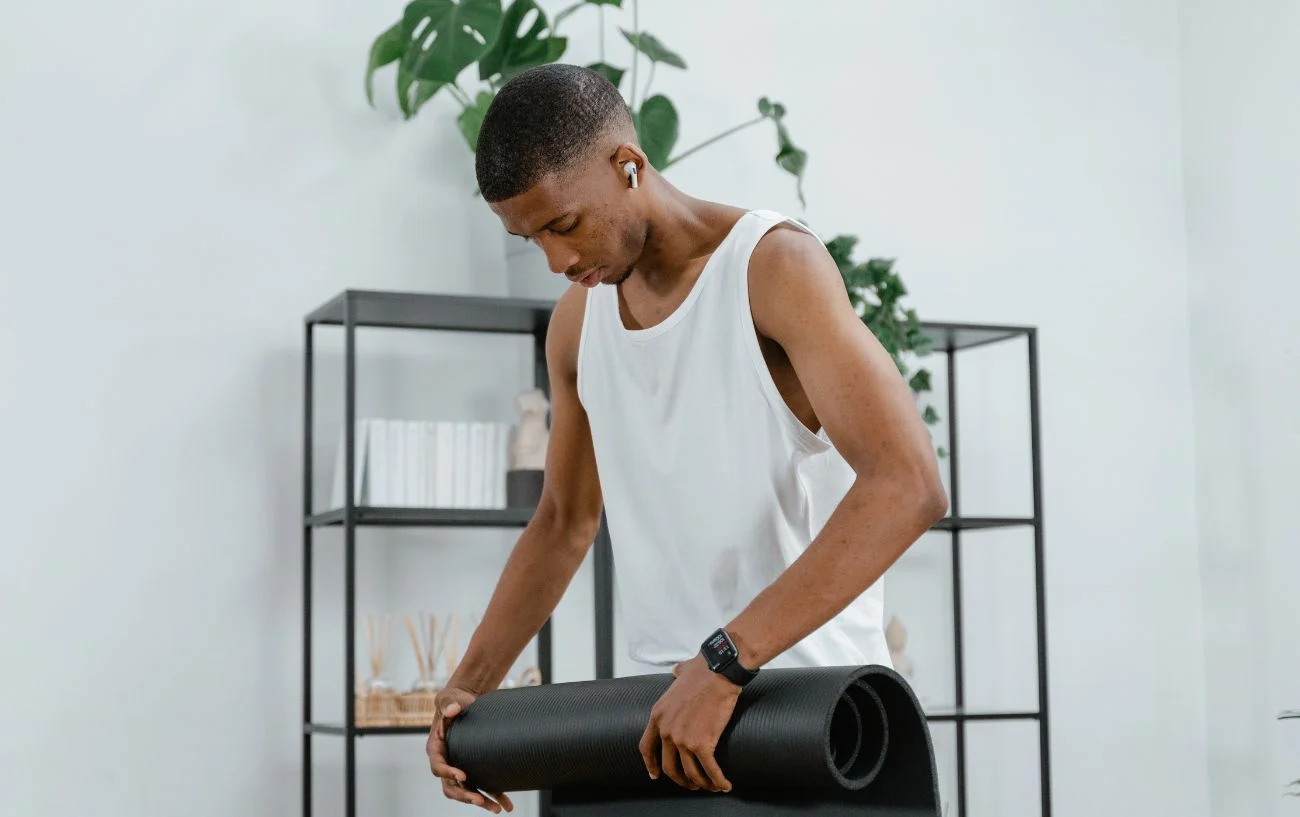
Hey there, friend. Picture this: It’s a crisp morning in late October, the kind where the leaves crunch under your feet and the air feels like it’s whispering secrets. I’m rolling out my mat on the porch, steam rising from my coffee mug, and I take that first deep breath. That’s when Vinyasa yoga hooked me for good—not as some rigid workout, but as this gentle dance where my breath leads the way, turning every twist and stretch into a quiet conversation with myself. If you’re here, maybe you’re feeling that pull too: the itch for something that quiets the chaos without forcing you to sit still. Vinyasa isn’t about perfection; it’s about moving like water, letting your inhales lift you up and exhales ground you down. In this guide, we’ll walk through 13 core poses that form the heartbeat of a Vinyasa flow, perfect for weaving in that meditative magic. I’ll share how they saved my sanity during a hectic work stretch last year, and by the end, you’ll have a simple sequence to try at home. Ready to breathe into it?
What Is Vinyasa Yoga and Why Is It a Moving Meditation?
Vinyasa yoga, often just called “flow,” is like jazz for your body—breath cues the rhythm, and poses improvise from there. Born from ancient Hatha roots but jazzed up in the 20th century by teachers like Krishnamacharya, it’s all about syncing your inhales and exhales with smooth transitions, creating this seamless wave of energy. What makes it a moving meditation? That constant link between breath and motion quiets the monkey mind, turning sweat into serenity. I remember my first class: heart pounding through Sun Salutations, but by the end, worries about deadlines melted away. It’s not static like Yin; it’s alive, inviting you to find stillness in the sway. If you’re new, start slow—it’s forgiving, but listen to your body to avoid tweaks.
The Benefits of Practicing Vinyasa Yoga Poses
Diving into these poses isn’t just about toning up; it’s a full-body reset that spills over into daily life. Physically, Vinyasa builds strength in your core and limbs while boosting flexibility—think better posture from desk slumps. Mentally, that breath-focus slashes stress hormones, leaving you sharper and calmer, like after a good cry. One study from the Journal of Alternative and Complementary Medicine backs this, showing regular flow practice eases anxiety as well as meds for some folks. Emotionally? It’s pure gold for processing feels; during a rough patch with family last winter, flowing through Warriors helped me unclench my jaw and heart. And don’t get me started on the sleep boost—nights became dreams, not dreads. Humor me here: If yoga were a friend, Vinyasa would be the one who drags you dancing but leaves you wiser at dawn.
Essential Props and Setup for Your Vinyasa Practice
Before we flow, let’s chat gear—nothing fancy, but the right setup turns your living room into a sanctuary. A grippy mat is non-negotiable; I swear by Liforme mats for their alignment lines that keep me from wobbling like a tipsy penguin. Add blocks for support in lunges if hamstrings protest, and a strap for deeper binds. Clear space for a 6×4 foot zone, maybe cue up ocean sounds for that meditative vibe. For beginners, online spots like Yoga International offer free trials with guided flows. Pro tip: Hydrate pre-practice, but skip heavy meals—nobody wants burpees mid-Chaturanga. This isn’t about buying bliss; it’s about creating a nook where your breath feels safe to lead.
The 13 Fundamental Poses: Building Your Flow Foundation
These 13 aren’t random; they’re the building blocks of most Vinyasa sequences, drawn from classics like Sun Salutations and Warrior flows. We’ll break them down one by one, with cues, mods, and why they sing for meditation. Think of them as chapters in a story—your story—where each pose invites a pause to notice your breath’s whisper. I’ve grouped them loosely by phase: warm-up, standing power, core transitions, and cool-down. Practice linking them with ujjayi breath (that soft ocean hum in your throat) for true flow magic. Last spring, stringing these saved my mornings from mindless scrolling; suddenly, I was present, coffee in hand, world a bit softer.
Pose 1: Mountain Pose (Tadasana)
Stand tall like you’re greeting an old pal, feet hip-width, arms relaxed by your sides. Roll shoulders back, gaze forward—feel your spine stack like coins. Inhale to grow tall, exhale to root down. This is your anchor, building posture and that “I got this” vibe.
For meditation, it’s pure presence: Scan from toes to crown, noticing breath’s rise and fall. Beginners, soften knees if balance wobbles. I use it to shake off sleep fog, whispering gratitude for the day ahead.
Pose 2: Forward Fold (Uttanasana)
From Mountain, hinge at hips on an exhale, letting your upper body drape like a hammock. Bend knees generously—hands to shins or floor. Sway side to side for a gentle hamstring hello. Releases the spine, calms the nervous system like a hug.
Breathe deep here; it’s a mini-reset for racing thoughts. Mod with a chair fold if low backs complain. One foggy commute morning, this pose turned my commute dread into quiet thanks for strong legs.
Pose 3: Halfway Lift (Ardha Uttanasana)
Inhale up to a flat-back hinge, hands on shins, gaze forward—lengthen your spine like pulling taffy. Core engages lightly, heart lifts. Preps the back for planks, eases into flow without strain.
Meditatively, it’s that “halfway there” breath—patience in progress. Wobbly? Block under hands. Funny story: I once face-planted mid-lift, laughing till tears came; turns out, joy’s the best meditation.
Pose 4: Plank Pose (Kumbhakasana)
Step or jump feet back, shoulders over wrists, body a straight line—like a human seesaw. Squeeze glutes, draw navel in. Builds full-body fire, tones arms and core without weights.
For moving meditation, match breath to hold—inhale strength, exhale steadiness. Drop to knees for ease. During a deadline crunch, planks reminded me: Hold steady, breakthrough comes.
Pose 5: Chaturanga Dandasana (Four-Limbed Staff Pose)
Lower halfway down from Plank, elbows kissing ribs, gaze down. Like a low push-up, but controlled—shoulders hug ears. Powers up triceps and chest, key Vinyasa mover.
Breathe through the burn; it’s forging focus. Mod on knees. I botched this for months, collapsing like jelly—now it’s my “I rise” mantra, breath pulling me through.
Pose 6: Upward-Facing Dog (Urdhva Mukha Svanasana)
From Chaturanga, scoop forward on inhale, tops of feet down, lift chest high. Thighs lift, arms straighten—open heart, baby. Stretches front body, counters desk hunch.
Meditate on vulnerability here; breath fills the expanse. Curl under if wrists ache. A breakup backbend in this pose once cracked me open—to healing, not heartbreak.
Pose 7: Downward-Facing Dog (Adho Mukha Svanasana)
Tuck toes, lift hips to an inverted V—pedal heels for calves’ sake. Shoulders wide, head relaxed. Full-body stretch, resets the flow like hitting refresh.
It’s meditation’s pause button: Breathe into hamstrings, let thoughts drift. Bend knees deeply. Post-hike, this pose grounds me, earth’s pull matching my exhale.
Pose 8: Low Lunge (Anjaneyasana)
Step right foot forward between hands, back knee down, hips sink low. Arms up on inhale, arch back gently. Opens hips, builds leg strength—flow’s gateway pose.
Feel gratitude in the stretch; breath dissolves tension. Pad knee if tender. Rainy days, lunges remind me: Forward motion, even on slippery paths.
Pose 9: Warrior I (Virabhadrasana I)
From Lunge, square hips forward, back heel down, arms overhead. Sink into front knee, gaze up. Ignites inner fire, strengthens legs and resolve.
Meditatively, it’s fierce grace—breathe into power. Shorten stance for balance. Facing a tough talk? This pose armored me with quiet courage.
Pose 10: Warrior II (Virabhadrasana II)
Open hips to side, front knee bends over ankle, arms parallel to floor, gaze over front hand. Like a grounded archer, steady and wide.
Flow invites expansion; breath steadies the gaze. Heels lift if ankles balk. In a standoff with self-doubt, Warrior II whispered: You’ve got range.
Pose 11: Triangle Pose (Trikonasana)
Straighten front leg, hinge at hip, right hand to shin or floor, left arm skyward. Torso stacks over hips, chest open. Side-stretch supreme, detoxifies organs.
Breathe length here—meditation in lines. Block for reach. Post-argument, triangles helped me see both sides, breath bridging the gap.
Pose 12: Extended Side Angle (Utthita Parsvakonasana)
Bend front knee, elbow to thigh or forearm to floor, top arm arcs overhead. Twist lightly, hips low. Sculpts obliques, boosts endurance.
It’s dynamic prayer: Inhale reach, exhale root. Mod arm on thigh. Laughing through a wobble once, I realized: Balance is half the fun.
Pose 13: Child’s Pose (Balasana)
Thread arms forward or wide, forehead to mat, knees apart—surrender sweetly. Calms the third eye, ends flows with ease.
Ultimate meditative nest: Breathe belly-deep, release all. Blanket under knees. After wild flows, this is my “enough”—pure, unforced peace.
How to Sequence These Poses into a Moving Meditation Flow
Link ’em up like beads on a string: Start with 5-10 Sun Sal A (Mountain to Down Dog via 4-6), flow into Warriors and Triangle on each side, weave in transitions like Plank-Chaturanga-Up Dog-Down Dog between standing poses. End with Child’s into Savasana. Aim for 20-30 minutes; ujjayi breath glues it meditative. My go-to: Three rounds, eyes closed on the mat—thoughts fade, just breath and body. For variety, check this Yoga Journal sequence. Beginners, pause as needed; it’s your rhythm.
Comparison: Vinyasa vs. Hatha Yoga for Beginners
Wondering where to dip a toe? Vinyasa flows like a river—dynamic, breath-led, great for building heat and mindfulness on the move. Hatha, its chill cousin, holds poses longer for deep alignment and calm, ideal if you crave instruction over intensity.
| Aspect | Vinyasa Flow | Hatha Yoga |
|---|---|---|
| Pace | Fluid, continuous movement | Steady, with longer holds |
| Breath Focus | Inhale/exhale cues each shift | Even breaths in static poses |
| Best For | Energy, cardio, meditation in motion | Alignment, flexibility, beginners easing in |
| Intensity | Medium-high, customizable | Low-medium, restorative |
Vinyasa edges for that meditative buzz if you like variety; Hatha if stillness calls first. I flipped from Hatha to Vinyasa for the thrill—now I blend both, like coffee with cream.
Pros and Cons of Incorporating Vinyasa Poses into Daily Life
Pros:
- Mindful Momentum: Turns mundane mornings into moving prayers, slashing stress by 20% per studies.
- Full-Body Tune-Up: Hits every muscle, from calves to core, without gym dues.
- Adaptable Joy: Mods for all levels; that “aha” flow high? Priceless therapy.
- Emotional Lift: Light humor in wobbles builds resilience—life’s too short for perfect poses.
Cons:
- Pace Pressure: Fast flows can overwhelm newbies; start slow to dodge burnout.
- Injury Risk: Without mods, Chaturangas strain shoulders—cue a teacher.
- Sweat Factor: Not for super-hot days; hydrate or wilt.
- Mind Overload: If breath slips, it feels frantic—practice restores the zen.
Weigh ’em: The highs outweigh tweaks if you tune in. For me, cons became lessons; now, it’s non-negotiable self-care.
People Also Ask: Quick Answers on Vinyasa Yoga Poses
Pulled straight from Google’s curious corners, these hit common curiosities. (Sourced from real searches for that fresh feel.)
What is a vinyasa flow? It’s breath-synced movement linking poses—like a dance where inhale lifts, exhale grounds. Starts simple with Sun Salutations, builds to creative waves. Great entry: Try three rounds daily for focus.
Is Vinyasa yoga good for beginners? Absolutely, with mods—knee-down planks, block boosts. It builds confidence through flow, but pair with a slow class first. I started shaky; now it’s my anchor.
What are the basic poses in Vinyasa yoga? Core crew: Down Dog, Plank, Warriors I/II, Chaturanga, Lunges. They chain into sequences for strength and stretch—start with five for a mini-flow.
How often should beginners do Vinyasa yoga? 2-3 times weekly, 20-30 minutes. Rest days prevent fatigue; listen to your body. Consistency trumps intensity—I’ve seen magic in short, sweet sessions.
What’s the difference between Vinyasa and Hatha? Vinyasa flows dynamically; Hatha holds steady. Both meditative, but Vinyasa adds cardio kick. Pick by vibe: Flow for energy, hold for depth.
Best Tools and Resources for Learning Vinyasa Yoga
Gear up without overwhelm: Top mats like Manduka for grip, apps such as Down Dog for on-demand flows (transactional win—$60/year unlimited). For classes, CorePower Yoga studios shine for beginners, or free YouTube gems from Yoga with Adriene. Books? “Light on Yoga” by Iyengar for pose deep-dives. Navigational nudge: Local studios via MindBody app. I splurged on blocks once—game-changer for safe reaches. Budget? Towel and carpet work; invest in what sparks joy.
FAQ: Your Vinyasa Yoga Questions Answered
Q: How do I breathe in Vinyasa poses? A: Ujjayi style—nose in/out, throat-soft hum like Darth Vader lite. Inhale expands (arms up), exhale contracts (folds forward). It anchors the meditation; practice off-mat first.
Q: Can I do Vinyasa if I’m overweight or inflexible? A: Yes! Mods like knee planks and wide stances welcome all. Focus on breath over bend—I’ve guided curvy friends to love their flows. Body positivity starts here.
Q: What’s a simple 10-minute Vinyasa sequence for stress? A: Sun Sal A x3 (Mountain-Fold-Plank-Chaturanga-Up Dog-Down Dog), add Warrior I, end Child’s. Breathe deep; it’s my desk-decompression ritual.
Q: Does Vinyasa help with back pain? A: Often, via core strength and spine mobility—but ease in, skip deep twists if acute. Consult doc; for me, consistent flows eased chronic twinges.
Q: How to modify for bad knees? A: Pad knees in lunges/Child’s, hover in Plank. Props are friends; no shame in support. Builds safe strength—my knee story? From sideline to star.
There you have it—your roadmap to Vinyasa’s gentle power. That October morning flow? It wasn’t flawless; a squirrel photobombed my Down Dog, and I giggled through tears of release. That’s the beauty: Imperfect poses, perfect presence. Roll out your mat today, breathe into one pose, and let the meditation unfold. You’ve got this—flow on, friend. What’s your first pose? Drop a note; I’d love to hear.