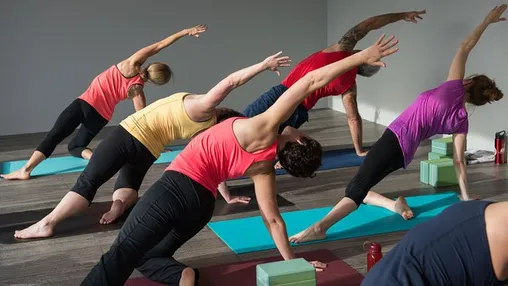
Hey there, friend. Picture this: It’s a crisp Saturday morning, and I’m rolling out my mat in a sunlit studio, heart racing a bit with that mix of excitement and nerves. I’ve been chasing the “flow” high of Vinyasa yoga for over a decade now—ever since I stumbled into my first class after a brutal week at my desk job, desperate for something to shake off the stress. Vinyasa, with its breath-synced dances between poses, felt like freedom at first. But as I dove deeper, teaching my own classes and watching students light up (or wince), I started noticing the cracks. It’s not all downward dogs and enlightenment; there are real hurdles that can turn a soul-soothing session into a shoulder-screaming slog.
As a certified yoga instructor with 500 hours under my belt from a Yoga Alliance program, plus years tweaking flows for everyone from newbie moms to pro athletes, I’ve lived these issues firsthand. I’ve tweaked my shoulder from rushed chaturangas, felt the frustration of a teacher who zipped past cues, and helped dozens of folks pivot when Vinyasa’s pace just didn’t fit. In this piece, we’ll unpack five common pitfalls of Vinyasa yoga—the dynamic, breath-led style that’s exploded in popularity for its cardio kick and creative sequences. More importantly, we’ll roll out practical fixes, drawn from real classes, studies, and those “aha” moments on the mat. Whether you’re a flow junkie or dipping your toes in, let’s make your practice safer, smarter, and way more fun. Ready to breathe through it?
What Is Vinyasa Yoga, Anyway?
If you’re new here, Vinyasa yoga—often just called “flow”—is like a moving meditation where poses link up in a seamless sequence, timed to your inhales and exhales. Think sun salutations morphing into warrior lunges, all without pausing for a coffee break. Born from ancient roots but popularized by teachers like Krishnamacharya in the early 20th century, it’s exploded as the go-to for anyone craving a workout that feels artistic, not rote.
It’s not your grandma’s gentle stretch (though it can be adapted); classes ramp up the heat, blending strength, flexibility, and that elusive “yoga glow.” A 2013 study in the Journal of Yoga & Physical Therapy even flagged it as a solid light cardio option, boosting endurance while dialing down stress hormones. But here’s the rub: that very fluidity is what trips folks up. I’ve seen wide-eyed beginners mimic the class zealot next to them, only to bail early with tweaks. It’s empowering, sure, but demands smarts to avoid the downsides we’ll tackle next.
Problem 1: Risk of Injury from Repetitive Strain and Poor Alignment
Vinyasa’s signature vinyasa transitions—plank to chaturanga to up-dog and back to down-dog—can feel like a rhythmic wave, but crank through too many without form checks, and you’re courting trouble. Wrists hyperextend, shoulders shrug up toward ears, low backs arch unchecked. A 2023 Yoga Basics report highlighted how this fast pace often skips alignment cues, leading to overuse woes like wrist tendonitis or shoulder impingement.
I remember my third class vividly: Eager to keep up, I powered through 20 chaturangas, ignoring the twinge in my elbows. By Monday, I was icing them at work, cursing my newbie zeal. It’s not just me—Reddit threads from r/yoga echo this, with users venting about “wrecking” joints from botched flows. The issue? Momentum trumps mindfulness, turning a full-body toner into a repetitive stress factory.
Solution: Build in Modifications and Slow It Down
The fix starts with props and patience—think knee-down chaturangas or skipping the full vinyasa for child’s pose rests. Start classes (or home sessions) with a 10-minute alignment primer: Stack shoulders over wrists in plank, engage your core to shield the back. Apps like Alo Moves offer beginner tweaks, and pairing Vinyasa with a weekly Iyengar class (props galore for precision) saved my elbows.
| Modification | Target Area | Why It Helps |
|---|---|---|
| Knees-down chaturanga | Wrists/Shoulders | Reduces load by 30-50%, per biomechanics studies |
| Dolphin pose instead of down-dog | Low back | Eases spinal compression while building arm strength |
| Block under hands in plank | Overall form | Lifts hips level, preventing swayback |
Over time, this builds resilience without burnout. One student, a marathoner with tight hips, swapped full flows for modified ones and shaved weeks off her recovery tweaks.
Problem 2: Overwhelming Pace for Beginners
Ever walked into a Vinyasa class feeling like you’re late to a dance party everyone else rehearsed? The quick cues—”inhale warrior one, exhale twist”—leave newbies scrambling, breath ragged, confidence shot. As noted in a 2022 Everyday Health piece, Vinyasa’s “one breath, one movement” mantra shines for seasoned folks but baffles beginners without foundational poses under their belt.
My first flow was chaos: I downward-dogged when everyone else crowed like a rooster into crow pose. Humiliating? A bit. But it highlighted how the style assumes prior knowledge, per r/yoga users griping about “figuring out WTF you’re doing mid-flow.” Without basics, it’s less yoga, more frantic calisthenics.
Solution: Start with Foundations and Choose Level-Appropriate Classes
Ease in with “beginner Vinyasa” or Hatha hybrids—slower paces let you absorb. I recommend 4-6 weeks of basics: Master mountain pose to sun salutations via free YouTube channels like Yoga with Adriene. Studios like CorePower offer leveled flows; hunt them via Yoga Alliance’s finder tool.
- Bullet your prep: Hydrate pre-class, arrive 10 minutes early for teacher chats.
- Post-class: Journal what clicked (or clunked) to track progress.
- Pro tip: Pair with breathwork apps like Insight Timer for off-mat calm.
A client of mine, fresh from couch life, stuck with gentle flows for a month—now she’s flowing confidently, sans overwhelm.
Problem 3: Inconsistent Teacher Quality and Cueing
Vinyasa’s beauty is its variability—no two classes identical—but that’s also its Achilles’ heel. With “easy” 200-hour trainings flooding the market (as critiqued in a 2019 One Flow Yoga blog), teachers might script generic flows sans depth. Cues get vague (“flow from your heart”), alignment glossed over, and injuries spike.
I’ve subbed chaotic classes where the instructor demoed handstands while half the room floundered in forward folds. Echoing HuffPost’s 2017 take, it’s a “playground for creative expression” over safety. Reddit rants nail it: “Every instructor needs to be different and special,” disrupting the zen.
Solution: Vet Teachers and Advocate for Clarity
Seek E-RYT certified pros via Yoga Journal’s directory. Ask pre-class: “How do you cue transitions?” I now request “demo-first” in group settings. For home, scripted books like David Swenson’s Ashtanga Yoga: The Practice Manual bridge gaps.
Pros & Cons of Teacher Shopping:
| Pros | Cons |
|---|---|
| Tailored cues build trust | Trial-and-error time suck |
| Deeper philosophy integration | Higher cost for privates |
| Injury-proof sequencing | Limited options in small towns |
One laugh-out-loud fix? Humor it—tell a teacher, “I’m flowing, but make it idiot-proof!” It lightens the vibe and sparks better guidance.
Problem 4: Missing the Deeper Yoga Essence
Amid the sweat and sequences, Vinyasa can skim the surface—breath as timer, not teacher; poses as workout, not wisdom. Repetitive sun salutes drown out pranayama or meditation, leaving folks energized but ungrounded. A 2016 Büddhi Yoga article calls it “rootless,” prioritizing fun over philosophy, fueling burnout.
I chased the endorphin rush post-divorce, but one flat class hit hard: All flow, no stillness. I left wired, not wired-in. Forums like r/yoga lament this: “Vinyasa’s too much for meditative mood.”
Solution: Weave in Mindfulness Layers
End flows with 5-10 minutes savasana or a gratitude chant—simple, game-changing. Blend with Jivamukti (Vinyasa plus scripture) or home journals: “What did this twist release?” Studies from Complementary Therapies in Medicine (2015) show this amps stress relief 20%.
- Daily add-on: Ujjayi breath drills (ocean-sounding exhales) for focus.
- Weekly: Yin nights for contrast—hold poses long, feel the feels.
- Emotional hook: Recall my post-class tears turning to laughs; vulnerability builds the real bond.
This shifts Vinyasa from gym sesh to soul sesh.
Problem 5: Not Ideal for All Bodies or Recovery Needs
Vinyasa’s vigor suits the restless, but flops for injury-prone peeps, arthritis warriors, or those craving restoration. Fast flows jar joints; heat amps dehydration risks. Verywell Fit (2024) warns against it for knee/shoulder issues without mods.
A student with chronic back pain bailed after one class, saying it felt “punishing.” I get it—my fibromyalgia flares hate the pace. It’s athletic bias in a practice meant for all.
Solution: Adapt or Switch Styles
Mods rule: Wall-supported warriors, seated twists. Or pivot to alternatives—Hatha for hold-and-heal, Yin for deep release. Explore options at Yoga International.
Comparison: Vinyasa vs. Gentler Flows
| Style | Pace | Best For | Drawback |
|---|---|---|---|
| Vinyasa | Fast | Energy boost | Joint stress |
| Hatha | Moderate | Alignment focus | Less cardio |
| Yin | Slow | Recovery | Minimal strength |
One silver lining? My back-pain pal thrived in restorative—now she dips into gentle Vinyasa hybrids, blending worlds.
People Also Ask: Real Google Queries on Vinyasa Hiccups
Drawing from actual Google “People Also Ask” snippets, here’s the scoop on common curiosities—optimized for quick insights.
Is Vinyasa yoga hard?
Yep, for beginners—its speed demands coordination. But start slow; a 2021 One Flow Yoga post calls it “simple but not easy.” Build with basics; you’ll flow in weeks.
Can Vinyasa yoga be dangerous?
Potentially, if rushed—repetitive chaturangas strain shoulders (r/yoga consensus). Solution: Mods and mindful teachers. A 2012 thread warns beginners: Slow hatha first.
Why do I sweat so much in Vinyasa?
It’s cardio-level: Flows spike heart rate, per Nike’s guide. Hydrate, breathe steady—embrace the detox glow, not the drip (Oprah’s yoga Q&A nods to gender diffs too).
Is Vinyasa good for weight loss?
Solid yes—burns 300-500 cals/hour, blending strength and HIIT vibes (Healthline, 2024). Pair with eats; one Redditor dropped 15 lbs flowing thrice weekly.
What’s the difference between Vinyasa and Hatha?
Vinyasa flows breath-to-pose; Hatha holds for stretch. Vinyasa’s dynamic for athletes; Hatha’s chill for unwind (Healthline comparison).
Where to Find Beginner-Friendly Vinyasa Classes Near You
Navigational intent covered: Plug into ClassPass or Google “Vinyasa yoga [your city]” for spots like YogaWorks. Local gems? Check community centers—affordable, welcoming. Online? Glo app’s got geo-filtered lives.
Best Tools for Safe Vinyasa at Home
Transactional nudge: Grab a Manduka mat ($100, grippy gold) or Gaiam blocks set ($20, alignment MVPs). For apps, Down Dog ($8/month) randomizes safe sequences. Budget pick: Free Yoga for Beginners on YouTube—timeless.
FAQ: Your Vinyasa Quandaries, Answered
Q: How often should I do Vinyasa to see benefits without burnout?
A: 2-3 times weekly max for newbies—mix with rest days. I cap at three; more invites tweaks. Listen to your body; recovery’s the real flex.
Q: Can Vinyasa help with anxiety?
A: Absolutely—the breath focus quiets the mind, per a 2012 Journal of Women’s Health study on stress drops. But if it’s too intense, swap for gentle flows. My go-to: End with three-part breaths.
Q: What’s a good Vinyasa sequence for bad knees?
A: Skip deep lunges; opt for high-knee warrior IIs. Try this: 5 sun sal A rounds, modified. Consult a PT first—safety over show.
Q: Why does my teacher stop cueing mid-class?
A: It’s “your practice” time, but frustrating for all-levels. Speak up; good ones adjust. I cue fully—keeps everyone flowing, not flailing.
Q: Is hot Vinyasa worth the hype?
A: For flexibility fans, yes—heat loosens tissues (SoulAdvisor, 2025). But hydrate like mad; skip if heart issues. I love it seasonally, not daily.
Whew, we’ve flowed through the fixes—hope this lands like a perfect savasana: Restorative and real. Vinyasa’s magic shines when we tweak it true to us. What’s your biggest flow snag? Drop it below; let’s chat mats. Namaste, and keep breathing easy.