Hey there, friend. Picture this: It’s a crisp morning in 2012, and I’m fumbling through my first Vinyasa class in a dimly lit studio in Seattle. Sweat dripping, heart racing, I thought I was auditioning for a cardio bootcamp disguised as yoga. But midway through a sun salutation, something clicked—the breath syncing with my movements like an old friend showing up unannounced. That flow? It pulled me in, and over a decade later, as a certified teacher with thousands of hours on the mat and in the studio, I’ve seen it transform skeptics into devotees. If you’re curious about Vinyasa yoga, whether you’re rolling out a mat for the first time or shaping sequences for your own students, this guide is your roadmap. Let’s dive into the rhythm that makes Vinyasa so alive.
The Origins of Vinyasa Yoga: From Ancient Roots to Modern Flow
Vinyasa yoga didn’t just pop up in trendy studios overnight; its story weaves through centuries of Indian philosophy, hitting a high note in the early 20th century. Rooted in the Sanskrit term meaning “to place in a special way,” it emphasizes breath-guided movement, drawing from ancient texts like the Vedas and Hatha Yoga Pradipika. But the real spark came from T. Krishnamacharya, the “father of modern yoga,” who in the 1930s blended dynamic sequences with breath at the Mysore Palace. His students, like Pattabhi Jois, turned it into Ashtanga, and from there, Vinyasa flowed into the West as a freer, more creative adaptation.
What pulls me back to these origins every time I teach is how they remind us Vinyasa isn’t just exercise—it’s a mindful dance with life’s ebbs and flows. Imagine Krishnamacharya adapting poses for young boys; that’s the heart of Vinyasa’s flexibility today. No rigid scripts, just intentional waves of motion. If you’re new, this history grounds you, turning poses into poetry rather than a checklist.
What Makes Vinyasa Yoga Unique? Breath, Flow, and Freedom
At its core, Vinyasa yoga is about linking breath to movement in a seamless stream, creating what feels like a moving meditation. Unlike static styles, classes build heat through continuous transitions, often circling back to that classic vinyasa: plank to chaturanga, up dog, down dog. It’s dynamic, with teachers weaving themes—maybe gratitude or balance—into creative sequences that evolve class to class.
This uniqueness hooked me during my early teaching days in a packed New York studio, where a simple warrior flow sparked giggles and “aha” moments alike. For students, it’s liberating; for teachers, it’s a canvas. The freedom means no two classes are identical, but that breath-movement bond? It’s the steady heartbeat keeping it all authentic.
Breath as the Anchor in Vinyasa Practice
Breath isn’t just air in Vinyasa—it’s the conductor. Each inhale lifts you into extension, each exhale grounds you deeper, turning poses into a rhythmic conversation. Beginners often rush it, but pausing to feel that ujjayi whisper calms the chaos.
I remember a student, a harried mom of three, who finally exhaled her stress in child’s pose after weeks of shallow breaths. That shift? Pure magic. Teachers, cue it gently; students, let it lead.
The Role of Flow in Building Heat and Intention
Flow generates internal fire, or tapas, warming muscles for deeper stretches while fostering focus. Sequences rise like a wave—warm-up, peak poses, cool-down—mirroring nature’s cycles.
Humor alert: My first hot Vinyasa attempt left me looking like a drowned cat, but that slippery grace taught me intention trumps perfection. It’s about the journey, not the Instagram glow.
Vinyasa Yoga Poses and Sequences: Building Your Flow
Vinyasa thrives on variety, but core poses form the backbone, linked in sun salutations or creative chains. Start simple: mountain pose grounds you, then flow into forward folds and warriors. Sequences often peak with balances or inversions, always circling back to breath.
Crafting these as a teacher feels like storytelling—each link advances the narrative. For students, it’s empowering; one of mine went from wobbly tree pose to crow in months, beaming like she’d conquered Everest. Keep it fluid, and the body follows.
Essential Standing Poses for Strength and Stability
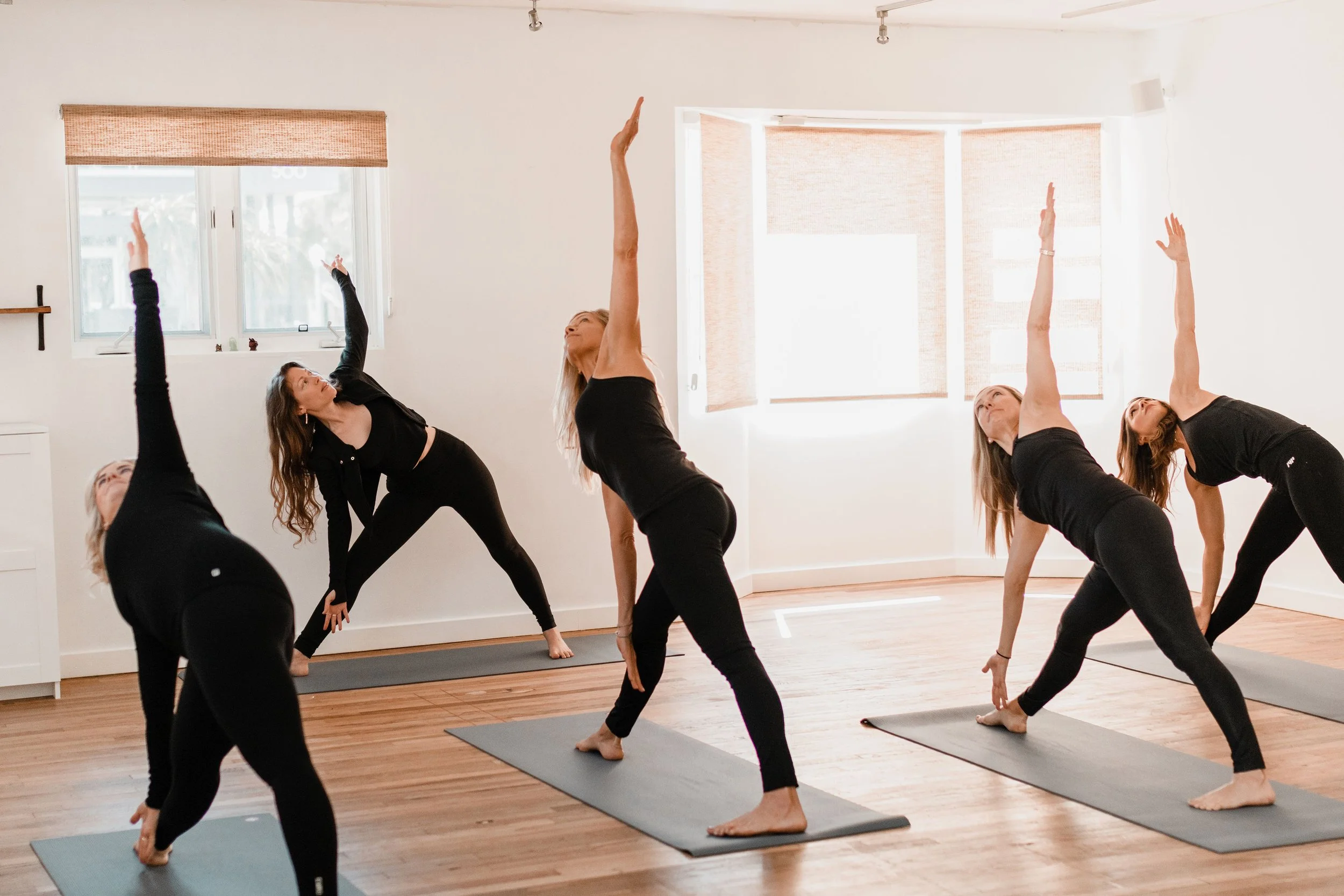
Warrior I and II ignite the legs, opening hips while building warrior-like resilience. Triangle adds a side stretch, easing tension from desk-bound days.
These aren’t just holds; they’re flows. Transition mindfully, and you’ll feel the shift from effort to ease. Pro tip: Soften the gaze to steady the stance.
Core Transitions: Mastering the Classic Vinyasa
The vinyasa—plank, lower to chaturanga, cobra or up dog, down dog—is your reset button. It’s tough on triceps but transformative for endurance.
I botched mine endlessly at first, collapsing like a bad soufflé. Now? It’s my anchor. Modify with knees down; the power’s in persistence.
Seated and Supine Poses for Balance and Release
Twists like seated spinal twist detox the spine, while bridges lift the heart. End in savasana for integration.
These quieter moments balance the fire—think cooldown after a sprint. A student once teared up here, releasing held grief. That’s Vinyasa’s quiet gift.
Benefits of Vinyasa Yoga: Why It Transforms Body and Mind
Vinyasa packs a punch: it boosts cardio, tones muscles, and sharpens focus, all while dialing down stress hormones. Studies show it eases arterial stiffness, enhancing heart health, and its flow fosters mindfulness, reducing anxiety by syncing breath to now.
Emotionally, it’s a reset—post-class glow that lingers. I credit it for navigating my divorce; those flows turned pain into power. For teachers, it’s endless inspiration, watching lives unfold on the mat.
- Physical perks: Builds core strength, improves flexibility, and amps endurance without gym monotony.
- Mental wins: Cultivates presence, battling the mind’s chatter with purposeful movement.
- Emotional lift: Releases pent-up feels, like a therapy session with better lighting.
But it’s not all bliss—overdoing it risks strain, especially in wrists or lower back. Listen to your body; that’s the real wisdom.
Vinyasa Yoga for Beginners: Starting Your Journey with Confidence
New to the mat? Vinyasa welcomes you with open arms, but ease in to avoid overwhelm. Opt for slower flows, focusing on alignment over speed—think gentle sun salutations to build basics.
My beginner mishaps? Endless. Tripped into down dog once, drawing laughs (mine included). That’s the fun—imperfect starts breed growth. Find a supportive teacher; they’ll modify like pros.
Common Beginner Mistakes and How to Avoid Them
Rushing transitions tops the list—breath gets lost, form slips. Slow it down; quality over quantity.
Ego’s sneaky too, pushing into poses that pinch. Cue: If it hurts, back off. Humor helps: Call it “yoga bingo” for spotting your quirks.
Building a Home Practice: Simple 20-Minute Flows
Start with three rounds of sun A: Inhale arms up, exhale forward fold, plank, vinyasa, down dog, step forward, rise. Add child’s pose for rest.
Keep a journal—note what flows, what flops. It’s your practice; own it gently.
Advanced Vinyasa: Taking Your Practice Deeper
Once basics click, layer in arm balances like crow or inversions such as handstand. These demand core fire and trust, peaking sequences with playful challenges.
Teaching advanced flows? Theme it—maybe “flight” for lifts. A student of mine flew into forearm stand after months; her whoop echoed the room’s joy.
Incorporating Props for Deeper Exploration
Blocks and straps aren’t crutches—they’re wings. Use a block under hands in warrior for lift, or strap for binds.
I lean on them in low-energy days; no shame in support. They make advanced accessible, turning “can’t” to “can.”
Themed Flows: Aligning Practice with Life’s Seasons
Winter calls for grounding poses; summer, expansive hearts. Weave intention—gratitude in twists—to mirror life’s arcs.
It’s poetic: As seasons shift, so does your flow. Teachers, this keeps classes fresh; students, it deepens the why.
Vinyasa Yoga for Teachers: Crafting Sequences That Inspire
Teaching Vinyasa? It’s choreography meets heart-to-heart. Start with warm-ups, build to peaks, wind down—always cue breath as the star.
My breakthrough? Ditching scripts for intuition; a class on vulnerability sparked raw shares. Listen to the room; that’s your edge
Sequencing Tips: From Warm-Up to Cool-Down
Warm with cat-cow, peak in balances, close supine. Balance standing, seated, supine for harmony.
Use blocks as “pose families”—warriors to triangles. Students thrive on logic; it builds trust.
Cultivating Inclusivity in Your Classes
Offer options: High lunge or low? Every body tells a story—honor it. Light humor disarms: “Modify like you mean it; no heroics here.”
Diversity fuels magic. One class’s shared laughs over a collective wobble? Priceless connection.
Pros and Cons of Vinyasa Yoga: Weighing the Flow
Vinyasa’s allure is real, but balance the scales. Here’s a quick pros/cons to guide your choice.
| Aspect | Pros | Cons |
|---|---|---|
| Pace | Energizing flow boosts mood and metabolism | Can overwhelm beginners if too fast-paced |
| Variety | Endless creativity keeps it fresh | Lack of structure might frustrate routine-lovers |
| Accessibility | Adaptable for all levels with mods | Risk of injury from repetitive chaturangas without form checks |
| Mind-Body Link | Deepens breath awareness quickly | Demands focus; distractions pull you out easily |
Overall, pros shine for dynamic souls, but pair with restorative for balance.
Vinyasa vs. Other Styles: Hatha, Ashtanga, and More
Vinyasa’s flow sets it apart, but comparisons clarify. Hatha holds steady for alignment; Ashtanga’s fixed series drills discipline.
| Style | Pace | Focus | Best For |
|---|---|---|---|
| Vinyasa | Fluid, variable | Breath-movement sync | Creative energy seekers |
| Hatha | Slow, held poses | Posture and relaxation | Beginners building basics |
| Ashtanga | Rigorous sequence | Strength and endurance | Disciplined athletes |
| Yin | Long holds | Deep tissue release | Stress relief pros |
Vinyasa’s my jam for its playfulness—Hatha’s too chill, Ashtanga too bootcamp. Try ’em all; find your vibe.
For deeper dives, check Yoga Journal’s style guide.
Where to Find Vinyasa Yoga Classes: Studios, Apps, and Online Gems
Craving community? Local studios like CorePower offer immersive flows; check Yoga Alliance for certified spots near you.
Online? Glo and YogaWorks stream pro-led sessions—perfect for busy schedules. My Vinyasa Practice app delivers daily lives; it’s like a global studio in your pocket.
Navigational hack: Search “Vinyasa near me” on Google Maps, or apps like ClassPass for trials. Start free—many offer intros.
Best Tools for Vinyasa Practice: Mats, Props, and Essentials
Gear up right to enhance your flow. For mats, grip is king in sweaty sequences.
- Top Pick: Manduka PRO – Lifetime guarantee, plush 6.5mm cushion for joints. Ideal for vigorous flows; $140 on Manduka’s site.
- Budget Gem: Gaiam Dry-Grip – Affordable PVC with stellar traction; great for hot Vinyasa at $30.
- Eco Warrior: Jade Harmony – Natural rubber, sweat-absorbent; supports trees planted per mat.
Props? Blocks for lifts, straps for binds—Lululemon’s cork set runs $40. Transactional tip: Amazon bundles save bucks; invest in quality to avoid slips.
People Also Ask: Answering Top Vinyasa Queries
Pulled from real Google searches, these hit common curiosities.
Is Vinyasa yoga good for beginners?
Absolutely, with mods—start slow to build confidence. It’s adaptable, blending cardio and calm without intimidation.
What’s the difference between Vinyasa and Hatha yoga?
Vinyasa flows dynamically with breath; Hatha holds poses longer for stretch and alignment. Vinyasa’s cardio, Hatha’s restorative.
How often should you do Vinyasa yoga?
2-4 times weekly balances benefits without burnout. Listen to your body—rest days prevent overuse.
Can Vinyasa yoga help with weight loss?
Yes, its calorie burn (300-500/session) aids shedding pounds, paired with mindful eating. Consistency counts.
What’s a typical Vinyasa class like?
60 minutes: Warm sun salutations, creative peaks, cool-down savasana. Expect sweat, smiles, and breath cues.
FAQ: Your Vinyasa Questions Answered
How do I know if Vinyasa is right for me?
If you crave movement over stillness and love variety, yes. Try a beginner class; it’ll feel like dancing with purpose.
What if I can’t touch my toes?
No sweat—props and mods level the field. Vinyasa’s about progress, not perfection; celebrate small wins.
How does Vinyasa differ from Power Yoga?
Power amps intensity with weights or speed; Vinyasa stays breath-pure, more meditative flow.
Can pregnant folks do Vinyasa?
Modified, yes—focus on gentle opens. Consult your doc; it’s nurturing when tailored.
Best way to deepen my home flow?
Add music or themes; record yourself for tweaks. Apps like Down Dog randomize for fun.
There you have it—the full sweep of Vinyasa’s magic, from first breath to teaching triumphs. Whether you’re flowing solo or leading a room, let it remind you: Life’s best when we move with grace and a grin. Grab your mat, exhale doubt, and dive in. What’s your first sequence? Share below—I’d love to hear. Namaste.