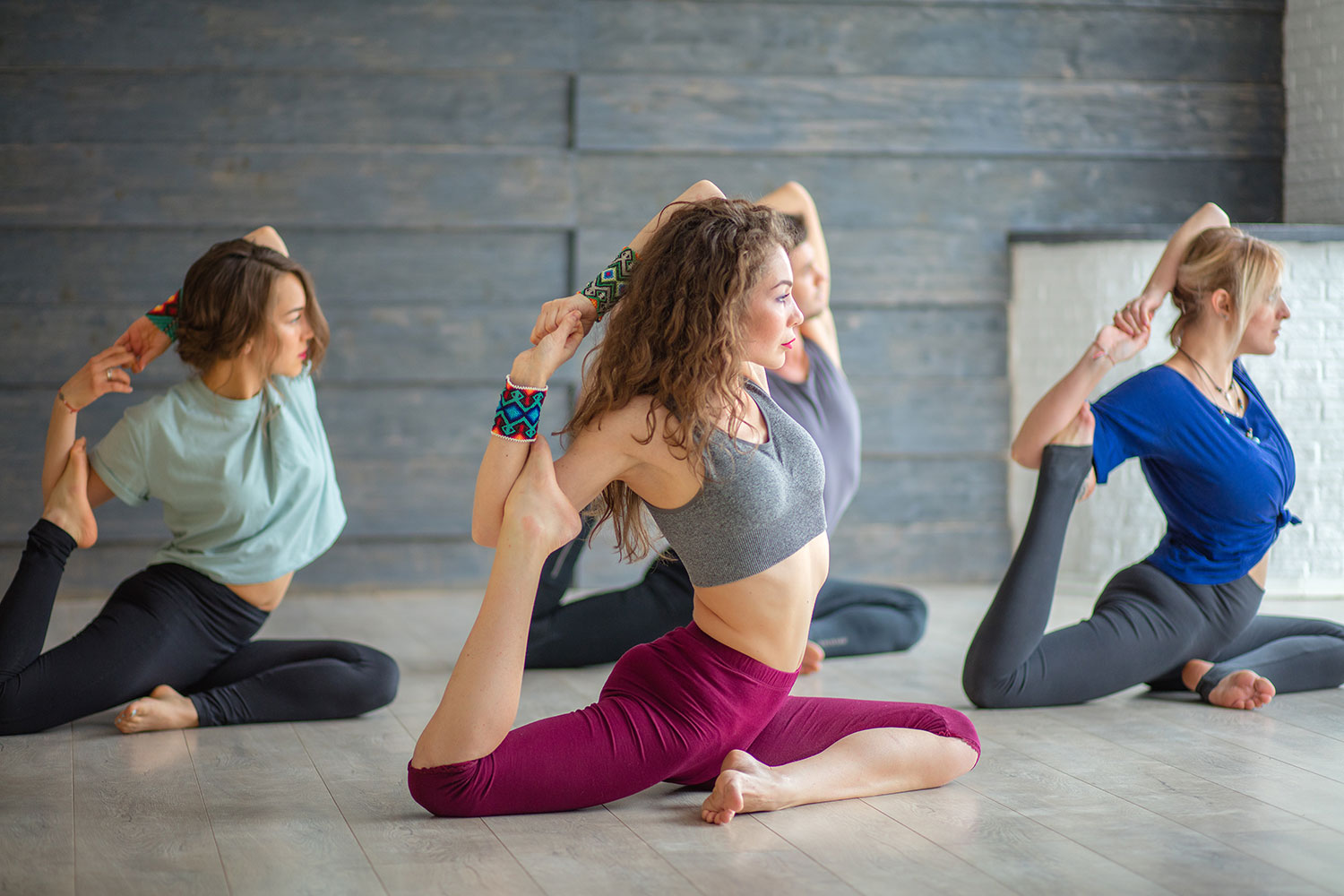
Hey there, friend. Picture this: It’s a crisp autumn morning in 2018, and I’m standing in a sunlit studio in Seattle, my mat unrolled for the first time in months. Life had been a whirlwind—new job, endless emails, and that nagging tightness in my shoulders from hunching over a laptop. I’d tried yoga before, the slow kind where you hold poses like you’re debating philosophy with your muscles. But that day, something shifted. The teacher cued us into a gentle sway, breath leading the way, and suddenly I wasn’t just stretching—I was moving like water over stones. That was my first Vinyasa Flow class. It felt alive, like my body finally had permission to dance without an audience. If you’re here wondering what all the fuss is about, pull up a spot. I’m Sarah, a certified yoga instructor with over seven years of flowing through life’s twists (and literal Chaturangas), and I’m here to guide you through the magic of Vinyasa Flow. No judgment, just honest stories and solid steps to get you started.
The Essence of Vinyasa Flow Yoga
Vinyasa Flow isn’t just a workout; it’s a conversation between your breath and body, where every inhale lifts you up and every exhale grounds you down. Rooted in ancient traditions but remixed for modern chaos, it translates to “to place in a special way” from Sanskrit—think mindful movement synced to your inhales and exhales, creating a seamless wave of poses. Unlike static styles, there’s no rigid script; each class is a fresh story, building heat and heart in equal measure.
I’ve seen it transform skeptics into regulars, like my buddy Mike, who showed up grumbling about “hippie stretches” but left buzzing with endorphins. It’s dynamic yoga at its best, blending strength, grace, and a touch of sweat to remind you that flow isn’t just on the mat—it’s how we navigate the rest of life too.
Origins and Evolution of Vinyasa Flow
This flowing practice traces back to the early 20th century, thanks to pioneers like T. Krishnamacharya, who wove breath and motion into a rhythmic art form in the Mysore Palace. His student, K. Pattabhi Jois, formalized it into Ashtanga, but Vinyasa Flow broke free as a creative offshoot—less regimented, more intuitive. By the ’90s, it exploded in the West, evolving into power-packed sessions that hooked athletes and desk jockeys alike.
Fast-forward to today, and it’s everywhere from beach retreats to your living room screen. I remember discovering it during a solo backpacking trip in Bali; the humid air amplified every breath, turning a simple sun salutation into a full-body revelation. It’s proof that yoga adapts to us, not the other way around.
Understanding the Core Vinyasa Sequence
At the heart of every Vinyasa class beats a simple yet powerful loop: Plank to Chaturanga, Upward Dog, then back to Downward Dog. It’s like the chorus of your favorite song—repeated, reliable, but always open to improvisation. Each transition honors the breath: inhale to lengthen, exhale to deepen, keeping the rhythm steady and your energy high.
This mini-flow isn’t about perfection; it’s about presence. Early on, I botched my Chaturangas so badly I joked they were “caterpillarangas”—wobbly and low to the ground. But repetition built resilience, turning flubs into fluid grace. Master this, and you’re set for any sequence that follows.
Breaking Down the Key Poses in the Sequence
Start in Plank Pose: Hands shoulder-width, body a straight line from heels to crown—like a high-five to the floor. Engage your core; it’s your secret anchor.
Flow to Chaturanga Dandasana: Lower halfway down, elbows kissing your ribs, gaze forward. It’s tough on the shoulders, but that’s where the strength blooms—think controlled descent, not a belly flop.
Rise into Upward-Facing Dog: Press through your palms, lift your chest, thighs hovering off the mat. Shoulders back, heart open; this one’s a mini-backbend that whispers “you’ve got this.”
Finally, Downward-Facing Dog: Pedal your heels, hips high, forming an inverted V. Breathe deep; it’s your reset button, easing hamstrings and calming the mind.
Practice these in order, and you’ll feel the pulse of Vinyasa come alive—effortless effort, as the yogis say.
Building a Full Vinyasa Flow Sequence
A complete Vinyasa session unfolds like a good novel: gentle opener, rising action, peak intensity, and a soothing close. Kick off with Sun Salutations to warm the joints, weave in standing warriors for power, dip into balances for focus, then wind down with twists and folds. Aim for 45-60 minutes to hit that sweet spot of challenge without burnout.
One foggy evening last winter, I crafted a home flow after a tough day—five rounds of Sun A, flowing into Warrior II and Triangle, peaking at Crow for a giggle-inducing thrill. It wasn’t flawless, but it left me lighter, laughing at my near-faceplant. Your sequence? Make it yours—start simple, let intuition guide.
Warm-Up Flows: Sun Salutations A and B
Sun Salutation A (Surya Namaskar A) is your gentle alarm clock: Mountain to Forward Fold, halfway lift, plank, low lunge, and back through the vinyasa loop—six poses, one breath each.
Upgrade to Sun B for spice: Add Chair Pose and a low lunge twist, building heat in the legs and core. These aren’t just warm-ups; they’re mini-meditations, syncing breath to dawn’s energy.
Standing Series: Warriors and Balances
From Down Dog, step forward into Warrior I: Lunge deep, arms overhead, front knee bent—empowering your legs and spine.
Shift to Warrior II: Open hips, gaze over front fingers; it’s a fierce stance that grounds you amid life’s battles.
Balance it with Tree Pose: Root one foot, hand to heart—wobbly at first, but oh, the focus it forges.
Peak Poses: Crow and Beyond
Build to Crow Pose (Bakasana): Squat low, hands forward, knees to triceps, lift off. It’s the class climax, demanding trust in your core.
For variety, try Half Moon or Wheel—poses that test limits but reward with that “I did it” rush. Remember, peaks aren’t about nailing it; they’re about the climb.
Cool-Down: Twists and Folds
Ease in with Seated Twist: Legs crossed, hand to opposite knee—wringing out tension like a sponge.
Follow with Forward Fold (Paschimottanasana): Legs extended, fold over—surrender here, let the day melt.
End in Savasana: Lie flat, eyes closed, five minutes of stillness. It’s the grand finale, where the real magic settles in.
The Transformative Benefits of Vinyasa Flow
Beyond the sweat, Vinyasa Flow rewires you from the inside out. Physically, it torches calories (up to 400 in an hour), sculpts lean muscle, and boosts flexibility—think looser hips for easier hikes or desk days. Mentally, that breath-movement sync dials down cortisol, easing anxiety like a warm hug from an old friend.
I credit it for pulling me through a brutal breakup; flows became my therapy, turning heartbreak into steady inhales. Studies back this—regular practice slashes stress hormones and sharpens focus, proving it’s not fluff, it’s science.
Physical Gains: Strength, Flexibility, and Cardio Boost
- Core and Upper Body Power: Chaturangas and planks forge a rock-solid midsection and shoulders, reducing injury risk in daily life.
- Full-Body Stretch: Flows hit every angle, from tight hamstrings to guarded hearts, improving range without boredom.
- Heart Health Kick: The aerobic pace rivals a brisk walk, lowering blood pressure and enhancing endurance—perfect for busy folks chasing vitality.
One client, a marathon runner, swapped runs for flows during knee rehab; six weeks in, she was stronger, not just surviving but thriving.
Mental and Emotional Perks: Stress Relief and Mindfulness
The rhythm fosters a “flow state,” where worries fade and presence reigns—ideal for overthinkers like me.
It builds resilience too; each wobbly transition mirrors life’s pivots, teaching grace under fire.
Emotionally, it’s a release valve—twists literally “undo” knots, leaving you lighter, maybe even teary with relief.
Long-Term Wellness: From Sleep to Immunity
Consistent flows regulate sleep cycles, trading midnight scrolls for deep Z’s.
They amp immunity by lowering inflammation, and that post-class glow? It’s endorphins at work, combating blues naturally.
Vinyasa Flow vs. Other Yoga Styles: A Quick Comparison
Wondering how it stacks up? Vinyasa’s the lively sibling—fluid and varied—while others play different roles. Here’s a snapshot to help you choose.
| Style | Pace & Flow | Focus | Best For |
|---|---|---|---|
| Vinyasa Flow | Dynamic, breath-synced sequences | Breath-movement connection, cardio | Energy boosts, creativity |
| Hatha | Slow, held poses | Alignment, balance | Beginners, relaxation |
| Ashtanga | Fixed, vigorous series | Discipline, strength | Advanced, routine-lovers |
| Yin | Long holds (3-5 min) | Deep tissues, stillness | Recovery, introspection |
| Power Yoga | Fast, gym-like intensity | Muscle building, heat | Athletes, high-energy types |
Vinyasa shines for its adaptability—no cookie-cutter classes here. I blend it with Yin on off days; the contrast keeps my practice fresh, like coffee after decaf.
Pros and Cons of Practicing Vinyasa Flow
Pros
- Versatile and Fun: Endless variations keep boredom at bay—today’s flow could theme around warriors, tomorrow’s on hips.
- Holistic Tune-Up: Hits cardio, strength, and zen in one go, saving time for Netflix guilt-free.
- Community Vibe: Classes foster bonds; I’ve made lifelong friends mid-Warrior II.
- Scalable Challenge: Modify for injuries or amp up for peaks—it’s forgiving yet fierce.
Cons
- Intensity Overload: Newbies might feel lost in the pace; start slow to avoid overwhelm (or ego bruises).
- Shoulder Strain Risk: Repetitive Chaturangas demand form—skip if sore, opt for knee-down mods.
- Sweat Factor: Not ideal for zero-effort days; pair with restorative for balance.
- Teacher Dependency: Quality varies; seek certified guides to dodge wonky cues.
Light humor: If Vinyasa had a dating profile, it’d say “Adventurous, makes you sweat, but ghosts if you’re not present.” Worth the swipe, though.
Where to Find Vinyasa Flow Classes Near You
Local studios are goldmines—search “Vinyasa near me” on apps like Mindbody for pop-ups and drop-ins. In urban spots like NYC or LA, expect heated rooms and eclectic vibes; smaller towns often host community centers with heartfelt sessions. Pro tip: Visit during off-peak for that personal touch—I once stumbled into a free park class that felt like serendipity.
For accessibility, check Yoga Alliance for certified spots. And if travel’s your jam, retreats in Bali or Costa Rica blend flows with ocean views—pure bliss.
Best Online Vinyasa Flow Resources for 2025
Can’t make it to a studio? Digital flows are booming. Glo.com leads with 5,000+ classes, from 10-minute breathers to hour-long immersions—$18/month unlocks it all. YouTube gems like Breathe and Flow offer free intermediate sequences that challenge without cash.
YogaWorks shines for live streams with pros like Briohny Smyth, blending poise and power ($20/month). For budgets, SarahBethYoga’s channel delivers 400+ freebies, color-coded for ease. I stream Glo on rainy days; it’s like having a studio in my socks.
People Also Ask About Vinyasa Flow
Ever typed “Vinyasa Flow” into Google and watched the questions tumble out? Here are real ones folks ponder, with straightforward answers to cut the confusion.
What is a Vinyasa in yoga?
A Vinyasa is that core loop—Plank, Chaturanga, Up Dog, Down Dog—linking poses like chapters in a book. It’s breath-driven, not rushed, and modifiable for all levels.
Is Vinyasa yoga good for beginners?
Absolutely, if you ease in. Start with slower flows focusing on basics; it builds confidence without chaos. Skip if you’re injury-prone—opt for Hatha first.
How many calories does Vinyasa Flow burn?
Around 300-500 per hour, depending on intensity and your build—comparable to a jog, but with mindfulness perks. Track with a wearable for fun stats.
What’s the difference between Vinyasa and Hatha?
Hatha holds poses steady for alignment; Vinyasa dances through them with breath. Hatha calms, Vinyasa energizes—both build strength, but one’s a stroll, the other’s a sway.
Can Vinyasa help with weight loss?
Yes, through cardio and muscle toning—pair with clean eats for best results. It’s sustainable, not a quick fix; I dropped 10 pounds flowing thrice weekly, feeling fierce.
FAQ: Common Vinyasa Flow Questions Answered
Got queries bubbling up? I’ve fielded these in classes and chats—here’s the scoop, straight from the mat.
Do I need props for Vinyasa Flow?
Not essential, but blocks and straps make mods easier—great for tight hips or wobbly balances. A mat’s your must-have; the rest is bonus.
How often should I practice Vinyasa to see benefits?
Three times a week hits the sweet spot for strength and zen. Listen to your body—rest days prevent burnout, like mine after overzealous weekends.
Is Vinyasa Flow suitable during pregnancy?
With mods, yes—focus on gentle flows, avoid deep twists. Consult your doc; prenatal classes tailor it safely. I taught glowing mamas who swore by it for energy.
What if I can’t keep up in a fast class?
Pause in Down Dog or Child’s Pose—no shame. Teachers expect it; it’s your practice, not a race. That “behind” feeling? It fades with familiarity.
How does Vinyasa differ from Power Yoga?
Power amps the fitness vibe with longer holds and heat; Vinyasa prioritizes breathy flow. Both build power, but Vinyasa feels more poetic, less gym.
There you have it—Vinyasa Flow unpacked, from sweaty sequences to soul-stirring shifts. That Seattle morning hooked me, and years later, it’s still my anchor in storms. Grab your mat, breathe deep, and let the flow carry you. What’s your first pose gonna be? Drop a note; I’d love to hear. Namaste, with a wink and a warrior salute.