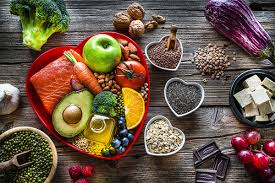
Your heart is the engine of your body, tirelessly pumping blood to keep you alive and thriving. Yet, heart disease remains a leading cause of death worldwide, with millions affected by conditions like heart attacks and strokes. The good news? Many heart issues are preventable with lifestyle changes and proactive habits. In this article, I’ll share 10 practical, science-backed ways to keep your heart healthy, woven with personal insights and tips to make your journey to better heart health engaging and achievable.
Why Heart Health Matters
Heart health isn’t just about avoiding disease; it’s about living your best life. A strong heart boosts energy, improves mental clarity, and lets you enjoy activities without feeling winded. When I started prioritizing my heart health after a family member’s scare with high blood pressure, I noticed how small changes—like walking daily—made me feel more alive. Let’s dive into the 10 ways you can protect your heart and feel that vibrancy too.
Understanding Heart Disease Risks
Heart disease often stems from factors like high cholesterol, hypertension, and poor lifestyle choices. Knowing your risks—like family history or smoking—helps you take control. My uncle’s heart attack at 50 was a wake-up call for our family, pushing us to learn about prevention. Start by getting a baseline checkup to understand your heart’s current state.
The Role of Lifestyle in Heart Health
Lifestyle choices, from diet to exercise, directly impact your heart. The American Heart Association notes that 80% of heart disease cases are preventable through lifestyle changes. I’ve seen this firsthand—cutting back on processed foods gave me more energy and lowered my cholesterol. Small, consistent steps can transform your heart’s future.
1. Eat a Heart-Healthy Diet
A balanced diet is your heart’s best friend. Focus on foods rich in nutrients, fiber, and healthy fats to keep your arteries clear and your heart strong. After switching to a Mediterranean-style diet, I felt lighter and more energized—proof that food can be both delicious and healing.
Foods to Include
Incorporate heart-friendly foods daily. Think colorful fruits, vegetables, whole grains, and lean proteins. Olive oil, nuts, and fatty fish like salmon are packed with omega-3s, which reduce inflammation. My go-to snack? A handful of almonds—it’s simple, satisfying, and heart-smart.
Foods to Avoid
Limit processed foods, sugary drinks, and trans fats. These can clog arteries and spike cholesterol. I used to love late-night chips, but swapping them for air-popped popcorn cut my sodium intake significantly. Check labels for hidden sugars and fats to stay on track.
Comparison: Heart-Healthy vs. Unhealthy Foods
| Heart-Healthy Foods | Unhealthy Foods |
|---|---|
| Salmon, mackerel | Fried foods |
| Leafy greens | Sugary sodas |
| Whole grains | Processed meats |
| Nuts and seeds | Pastries |
2. Stay Physically Active
Exercise strengthens your heart muscle and improves circulation. Aim for at least 150 minutes of moderate aerobic activity weekly, like brisk walking or cycling. I started with 20-minute walks after dinner, and now I can hike for hours without feeling tired—it’s a game-changer.
Best Exercises for Heart Health
Cardio exercises like running, swimming, or dancing are excellent for your heart. Strength training also helps by improving metabolism. I love mixing yoga with jogging; it keeps things fun and works different muscle groups. Find activities you enjoy to stick with them.
Pros and Cons of Exercise Types
- Cardio:
Pros: Boosts heart rate, burns calories, improves endurance.
Cons: Can be intense for beginners; requires proper footwear. - Strength Training:
Pros: Builds muscle, supports heart health, improves bone density.
Cons: Risk of injury if done incorrectly; needs equipment or guidance.
3. Maintain a Healthy Weight
Carrying excess weight strains your heart and increases disease risk. Aiming for a BMI between 18.5 and 24.9 is ideal, but focus on sustainable changes. Losing just 10 pounds helped my friend lower her blood pressure noticeably—she felt like a new person.
Tools for Weight Management
Use apps like MyFitnessPal to track calories or consult a dietitian for personalized plans. I found keeping a food diary eye-opening; it showed me where I was overeating. Regular weigh-ins and goal-setting keep you accountable without obsession.
4. Quit Smoking and Limit Alcohol
Smoking damages blood vessels, and excessive alcohol raises blood pressure. Quitting smoking cuts heart disease risk by 50% within a year, per the CDC. My cousin quit using nicotine patches and said it was tough but worth it for his energy boost.
Where to Get Help
Explore resources like Smokefree.gov for quitting tools or local support groups. For alcohol, moderation is key—stick to one drink daily for women, two for men. I’ve leaned on apps like QuitNow! to track progress, and they’re surprisingly motivating.
5. Manage Stress Effectively
Chronic stress raises cortisol, harming your heart over time. Techniques like meditation or deep breathing can lower stress hormones. I started meditating for 10 minutes daily after a stressful job phase, and it felt like hitting a reset button for my mind and heart.
Stress-Reduction Techniques
Try mindfulness apps like Headspace or simple breathing exercises. Journaling also helps; writing down worries clears my head before bed. Even a quick laugh with friends can ease tension—humor is a heart’s secret weapon.
6. Get Enough Sleep
Poor sleep increases heart disease risk by raising blood pressure and inflammation. Aim for 7–9 hours nightly. I struggled with late-night scrolling, but setting a bedtime routine—dim lights, no screens—improved my sleep and mood dramatically.
Tips for Better Sleep
Create a sleep-friendly environment: dark, cool, and quiet. Avoid caffeine after noon and stick to a consistent schedule. My trick? A cup of chamomile tea an hour before bed—it’s soothing and signals rest time.
7. Monitor Blood Pressure and Cholesterol
High blood pressure and cholesterol silently damage your heart. Regular checkups catch issues early. My doctor caught my borderline cholesterol last year, and dietary tweaks brought it down without meds—proof that monitoring matters.
Best Tools for Monitoring
Home blood pressure monitors or cholesterol test kits are affordable and easy to use. Apps like Cardiio track heart metrics too. I check my BP weekly; it’s empowering to see numbers improve with effort.
8. Control Blood Sugar
Diabetes doubles heart disease risk, so managing blood sugar is crucial. A balanced diet and exercise help stabilize levels. My neighbor with prediabetes reversed it by cutting sugary snacks and walking daily—small steps, big impact.
Where to Find Support
Consult endocrinologists or join diabetes prevention programs through the CDC. Apps like Glucose Buddy track sugar levels. I’ve seen friends thrive by pairing these tools with meal planning for steady control.
9. Stay Hydrated
Dehydration strains your heart by thickening blood and reducing circulation. Aim for 8–10 cups of water daily, adjusting for activity. I carry a reusable water bottle everywhere—it’s a simple habit that keeps me energized.
Hydration Hacks
Infuse water with fruit for flavor or set reminders on your phone. Herbal teas count too. I love lemon-cucumber water; it’s refreshing and makes hitting my water goal feel like a treat.
10. Schedule Regular Checkups
Routine doctor visits catch heart issues before they escalate. Annual exams, including ECGs or stress tests, are vital, especially if you’re over 40. My annual checkup revealed a vitamin D deficiency affecting my heart health—fixed with supplements.
Finding the Right Doctor
Look for cardiologists via the American College of Cardiology’s directory or ask for referrals. Telehealth options like Teladoc work for quick consults. I found a great doctor through a friend’s recommendation, and it made all the difference.
People Also Ask (PAA)
What foods are best for heart health?
Salmon, avocados, and leafy greens top the list for their omega-3s and fiber. These foods reduce cholesterol and inflammation. A Mediterranean diet is a great starting point, backed by decades of research.
How does stress affect the heart?
Chronic stress raises cortisol and adrenaline, increasing blood pressure and heart strain. It can also lead to unhealthy habits like overeating. Mindfulness and exercise are proven ways to counteract these effects.
Can exercise reverse heart disease?
While exercise can’t fully reverse heart disease, it strengthens the heart, improves circulation, and lowers risk factors. Regular cardio can reduce plaque buildup. Always consult a doctor before starting intense workouts.
How often should I check my heart health?
Annual checkups are recommended, especially after age 40 or with risk factors. Monitor blood pressure and cholesterol at home monthly. Early detection saves lives, as my family learned the hard way.
FAQ: Heart Health Questions Answered
Q: What’s the best diet for heart health?
A: The Mediterranean diet, rich in fruits, vegetables, whole grains, and healthy fats, is widely recommended. It reduces cholesterol and inflammation. Try incorporating olive oil and salmon weekly for maximum benefits.
Q: How much exercise is enough for my heart?
A: Aim for 150 minutes of moderate aerobic activity weekly, like brisk walking. Add strength training twice a week. Even short bursts of activity, like 10-minute walks, add up over time.
Q: Can young people have heart problems?
A: Yes, even those in their 20s or 30s can face heart issues, especially with poor diet or genetics. Regular checkups and healthy habits are crucial. I started monitoring my heart in my 20s after a family scare.
Q: How does sleep affect heart health?
A: Poor sleep increases blood pressure and inflammation, straining the heart. Aim for 7–9 hours nightly. A consistent bedtime routine, like mine with chamomile tea, can improve sleep quality.
Q: Are there free resources for heart health?
A: Yes, websites like Heart.org offer free tips, recipes, and exercise plans. Local community centers often host free screenings. Apps like MyHeartCounts provide free tracking tools.
Final Thoughts
Keeping your heart healthy is a lifelong commitment, but it doesn’t have to be overwhelming. Start with one or two changes—like swapping soda for water or taking a daily walk—and build from there. My journey began with small steps after a family health scare, and now I feel stronger and more connected to my body. Use these 10 strategies, from diet to checkups, to protect your heart and live vibrantly. Your heart deserves the love—give it the care it needs today.