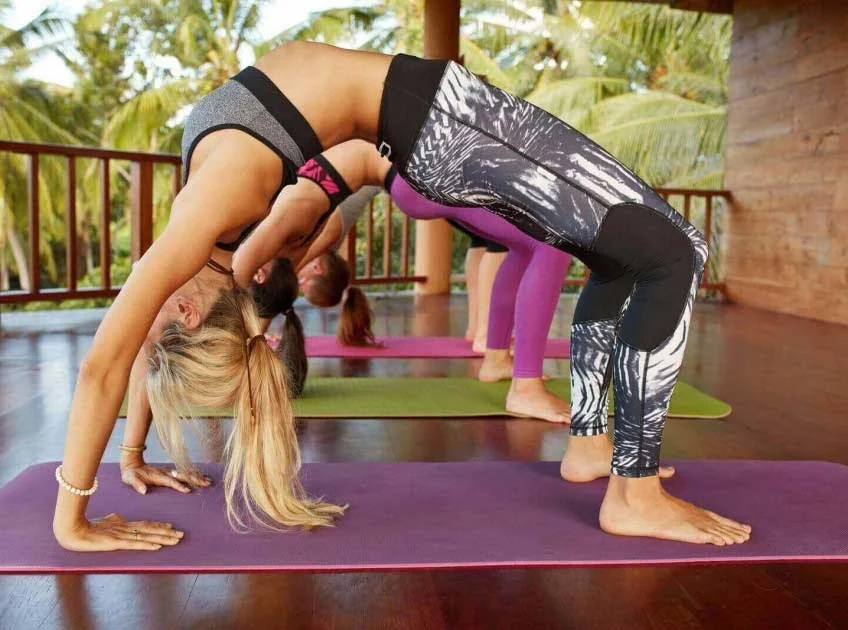
I remember my first brush with yoga like it was yesterday. I was in my mid-20s, stressed out from a desk job that had me hunched over a computer all day. A friend dragged me to a local community center for a beginner’s class, and I showed up in baggy sweatpants, feeling like a total fish out of water. But by the end of that session, something clicked. The simple poses we did left me feeling taller, calmer, and oddly empowered. That’s the magic of classical Hatha yoga—it’s not about twisting into pretzels; it’s about building a foundation that sticks with you. If you’re just starting out, these seven poses can be your gateway to better flexibility, strength, and peace of mind. Let’s dive in and unfold them one by one.
What is Hatha Yoga?
Hatha yoga traces its roots back to ancient India, where it was developed as a way to balance the body and mind through physical postures, breathing techniques, and meditation. The word “Hatha” literally means “force” or “effort,” but don’t let that scare you—it’s all about gentle persistence rather than pushing too hard. For beginners, it’s an ideal style because it focuses on holding poses to build awareness and alignment, unlike faster flows that might overwhelm you right away.
Why Choose Classical Hatha Yoga as a Beginner?
Starting with classical Hatha yoga felt like learning to walk before running in my own journey. It emphasizes basic asanas that teach you proper form and breath control, reducing the risk of injury while boosting your confidence. Many folks jump into trendy classes and burn out quickly, but Hatha builds a solid base that makes advanced practices more accessible later on. Plus, it’s adaptable—whether you’re dealing with tight hamstrings or a busy schedule, these poses meet you where you are.
Benefits of Practicing These Poses
Diving into these seven poses regularly can transform your daily life in subtle yet powerful ways. They improve posture, which helped me ditch those nagging back aches from sitting too long. On the mental side, they reduce stress by encouraging mindful breathing, something I leaned on during tough work weeks. Physically, expect better flexibility, stronger core muscles, and even improved digestion—it’s like giving your body a tune-up without the gym intimidation.
Getting Started: Essential Tools and Tips
Before you unroll your mat, grab a few basics to make your practice smooth. A non-slip yoga mat is key for stability, especially on hardwood floors— I once slipped in Tadasana and laughed it off, but a good mat prevents that. Comfortable, breathable clothes let you move freely, and props like blocks or a strap can modify poses for beginners. For where to start, check out free online resources on sites like Yoga Journal for guided videos, or search for local studios via apps like ClassPass.
The 7 Classical Hatha Yoga Poses
These poses are drawn from traditional Hatha texts like the Hatha Yoga Pradipika, selected for their accessibility and foundational benefits. I chose them based on what worked for me as a newbie—they’re simple yet effective, with room to grow. Practice them in sequence for a short routine, holding each for 5-10 breaths, and always listen to your body to avoid strain.
1. Tadasana (Mountain Pose)
Stand tall with feet hip-width apart, arms at your sides, and palms facing forward. Engage your thighs, lift your chest, and gaze straight ahead while breathing deeply. This pose grounds you, improving posture and focus—perfect for starting your day feeling centered.
2. Vrikshasana (Tree Pose)
From Tadasana, shift weight to one foot and place the other foot’s sole on your inner thigh or calf. Bring palms together at your heart or overhead, holding steady. It builds balance and strengthens legs, reminding me of how I wobbled at first but gained stability over time—like growing roots in shaky soil.
3. Trikonasana (Triangle Pose)
Step feet wide, turn one foot out, and extend arms parallel to the floor. Reach forward with one hand toward your shin or the ground, other arm up. This stretches the sides and hips, easing tension—I used it after long drives, feeling that satisfying release in my obliques.
4. Virabhadrasana (Warrior Pose)
Lunge forward with one leg bent at 90 degrees, back leg straight, arms extended overhead or out to the sides. It strengthens thighs and boosts confidence, like channeling a warrior’s energy—my go-to when I needed a mood lift during stressful times.
5. Bhujangasana (Cobra Pose)
Lie face down, hands under shoulders, and lift your chest while keeping hips grounded. It opens the heart and strengthens the back, a lifesaver for my posture after hours at the desk—think of it as countering all that slouching with a gentle arch.
6. Balasana (Child’s Pose)
Kneel and fold forward, arms extended or by your sides, forehead to the mat. This restorative pose calms the mind and stretches the back— I often retreated to it mid-practice for a quick reset, like a cozy hug from the floor.
7. Savasana (Corpse Pose)
Lie flat on your back, arms and legs relaxed, eyes closed. It’s the ultimate relaxation, integrating the practice’s benefits—don’t skip it; I learned the hard way that this “easy” pose is where the real magic of unwinding happens.
Comparing Hatha Yoga to Other Styles
Hatha stands out for its slow pace compared to Vinyasa, which links poses with breath in a flowing sequence—great for cardio but tougher on beginners. Iyengar yoga, another option, uses props for precision, similar to Hatha but more alignment-focused. If you’re easing in, Hatha wins for its balance of effort and rest, while hot yoga like Bikram adds heat for detox but can be intense right off the bat.
Pros and Cons of These Beginner Poses
Pros:
- Build foundational strength without equipment.
- Enhance mental clarity and reduce anxiety.
- Adaptable for all body types with modifications.
- Promote better sleep and digestion over time.
Cons:
- May feel awkward at first if balance is an issue.
- Requires consistency to see real progress.
- Risk of minor strains if form isn’t checked.
- Not ideal for high-energy workouts if that’s your goal.
A Quick Comparison Table
| Pose | Key Benefits | Difficulty Level | Best For |
|---|---|---|---|
| Tadasana | Improves posture, grounds energy | Easy | Daily alignment |
| Vrikshasana | Boosts balance, strengthens legs | Moderate | Focus and stability |
| Trikonasana | Stretches sides, aids digestion | Moderate | Flexibility |
| Virabhadrasana | Builds leg strength, increases confidence | Moderate | Endurance |
| Bhujangasana | Strengthens back, opens chest | Easy | Posture correction |
| Balasana | Relaxes mind, stretches hips | Easy | Recovery |
| Savasana | Integrates practice, reduces stress | Easy | Relaxation |
People Also Ask
Is Hatha yoga good for beginners?
Absolutely, Hatha is one of the best starting points because it moves slowly, allowing time to learn proper alignment and breathing. Unlike faster styles, it minimizes overwhelm and builds a strong foundation for future practices.
What are the basic poses in Hatha yoga?
Basic Hatha poses include standing ones like Mountain and Tree, forward bends, backbends like Cobra, and restoratives like Child’s Pose. They focus on balance between effort and ease, as outlined in traditional texts.
How many poses are there in Hatha yoga?
Classical Hatha features 84 poses according to ancient sources, but beginners often start with 10-15 essentials. Modern classes adapt this, emphasizing quality over quantity for effective practice.
What is the difference between yoga and Hatha yoga?
All yoga styles stem from Hatha, which is the physical branch focusing on poses and breath. General “yoga” might refer to spiritual aspects, while Hatha specifically prepares the body for meditation through asanas.
Where to Find Hatha Yoga Resources
For navigational ease, head to platforms like YouTube for free beginner tutorials—channels like Yoga with Adriene offer guided Hatha sessions. Local studios can be found via Google Maps searches for “Hatha yoga near me,” or apps like Mindbody for booking classes. If you’re traveling, sites like Retreat Guru list Hatha retreats worldwide.
Best Tools for Your Hatha Practice
On the transactional side, invest in quality gear to enhance your sessions. The Manduka PROlite mat is durable and grippy, ideal for home use—available on Amazon. For props, a set of cork blocks from Hugger Mugger helps with modifications, while apps like Down Dog provide customizable Hatha routines for under $10 a month.
Integrating These Poses into Daily Life
Once you’ve got the hang of these, weave them into your routine—like starting mornings with Tadasana for a quick alignment check. I did this during coffee breaks at work, sneaking in a Warrior Pose to shake off tension. Over weeks, you’ll notice subtle shifts, like standing taller or breathing deeper in stressful moments.
Common Mistakes to Avoid
Beginners often rush poses, forgetting breath—slow down and sync inhales with expansions. Overstretching is another pitfall; use mirrors or videos to check form. And humorously, don’t practice on a full stomach—I learned that the hard way after a burrito-fueled session that ended in discomfort.
Building a Sustainable Practice
Consistency beats intensity here. Aim for 20-30 minutes three times a week, gradually increasing. Track progress in a journal, noting how poses feel over time—it kept me motivated when I saw my balance improve in Tree Pose after a month.
FAQ
How often should beginners practice these Hatha poses?
Start with 2-3 sessions per week, 20-30 minutes each, to allow recovery. As you build stamina, increase to daily for optimal benefits like improved flexibility and stress relief.
Can I do Hatha yoga at home without a teacher?
Yes, with online guides from trusted sites like Brett Larkin Yoga. Begin slowly, use mirrors for alignment, and consider virtual classes for feedback to ensure safe practice.
What if I have injuries— are these poses safe?
Most are gentle, but modify as needed—use props or skip backbends if you have back issues. Consult a doctor first, and sites like Verywell Fit offer injury-specific adaptations.
Is Hatha yoga enough for weight loss?
It aids weight management through mindful movement and stress reduction, but pair it with cardio for best results. Focus on consistency, as it builds muscle tone over time.
How long to hold each pose as a beginner?
Hold for 5-10 breaths, about 30-60 seconds, to build endurance without strain. Listen to your body and exit early if needed for a comfortable experience.
In wrapping up, these seven poses unfolded a world of calm and strength for me when I started, and they can do the same for you. Remember that yoga journey I mentioned? It turned into a lifelong habit, helping me navigate life’s ups and downs with more grace. Give them a try, be patient with yourself, and watch the transformation unfold. If you’re ready for more, explore advanced variations or join a community—your mat is waiting.