Hey there, if you’re dipping your toes into the world of yoga, welcome to the club. I still remember my first class – I showed up in baggy sweatpants, feeling like a total newbie among all these flexible folks twisting like pretzels. But starting with Hatha yoga changed everything for me. It’s gentle, grounding, and perfect for building that mind-body connection without overwhelming you right away. In this guide, we’ll walk through 15 beginner-friendly poses, sharing step-by-step tips, benefits, and even a few laughs along the way. Whether you’re looking to ease stress after a long day or just want to feel a bit more bendy, these poses can be your starting point. Let’s roll out the mat and get into it.
What is Hatha Yoga?
Hatha yoga is all about balance – it’s the foundation of many modern styles, focusing on physical postures, breath control, and a touch of meditation to harmonize your body and mind. Unlike faster-paced flows, Hatha moves slowly, giving you time to really feel each pose and adjust as needed. Think of it as yoga’s gentle introduction, drawing from ancient practices to build strength and flexibility without the rush.
Benefits of Hatha Yoga for Beginners
Starting Hatha yoga can feel like unlocking a secret door to better health – it boosts flexibility, reduces stress, and even improves sleep, which was a game-changer for me during busy work weeks. Beyond the physical perks, it sharpens mental focus and builds resilience, helping you handle life’s curveballs with a calmer vibe. Plus, it’s low-impact, making it ideal if you’re new or recovering from an injury, and over time, you’ll notice stronger muscles and a more positive outlook.
Essential Tips for Getting Started with Hatha Yoga
Before jumping in, grab a comfy mat and wear clothes that let you move freely – no need for fancy gear, just something breathable. Listen to your body; if a pose feels off, ease up or use props like blocks for support, as I did when my hamstrings protested early on. Practice in a quiet space, aim for 20-30 minutes a few times a week, and remember to breathe deeply – it’s the glue that holds everything together.
Hatha Yoga vs. Other Styles: A Quick Comparison
Hatha stands out for its slower pace compared to Vinyasa, where poses flow with each breath like a dance routine. While Hatha emphasizes holding poses to build endurance and alignment, Vinyasa amps up the cardio for a sweatier session. If you’re a beginner, Hatha might feel more approachable, but trying both can help you find what clicks – I started with Hatha for basics before dabbling in flows.
Here’s a simple table to break it down:
| Aspect | Hatha Yoga | Vinyasa Yoga |
|---|---|---|
| Pace | Slow and steady | Fast and flowing |
| Focus | Alignment and breath | Movement and transitions |
| Intensity | Gentle for beginners | More energetic |
| Benefits | Builds strength gradually | Improves cardio endurance |
Pros and Cons of Starting Hatha Yoga as a Beginner
On the plus side, Hatha is super accessible – you can do it at home with minimal equipment, and it quickly eases tension in tight spots like your back or shoulders. It also fosters mindfulness, which helped me unwind after stressful days, and it’s forgiving if you’re not super fit yet.
The downsides? It might feel repetitive at first if you crave variety, and holding poses can test your patience – but hey, that’s where the growth happens. If you have joint issues, consult a doc first, though modifications make it adaptable for most.
The 15 Essential Hatha Yoga Poses for Beginners
Diving into these poses, we’ll keep things straightforward. Each one includes how-to steps, key benefits, and tips to avoid common slip-ups. I recommend holding each for 5-10 breaths, and if you topple over, just chuckle and try again – yoga’s not about perfection.
1. Mountain Pose (Tadasana)
Stand tall with feet hip-width apart, arms at your sides, and palms facing forward – imagine rooting into the earth like a mountain while lifting through your crown. This foundational pose improves posture and grounds you, calming the mind as you focus on even breathing. It’s deceptively simple but builds awareness; I used it to reset during hectic mornings, feeling more centered instantly.
2. Tree Pose (Vrksasana)
From Mountain, shift weight to one foot, place the other sole on your inner thigh or calf (not knee), and bring hands to prayer or overhead. It strengthens legs and core while sharpening balance – don’t worry if you wobble like a tree in the wind, that’s part of the fun. This pose boosted my confidence; after weeks of practice, I felt steadier both on and off the mat.
3. Downward-Facing Dog (Adho Mukha Svanasana)
Start on hands and knees, lift hips high to form an inverted V, pressing heels toward the floor and relaxing your head. It stretches the whole back body, easing tension in hamstrings and shoulders while energizing you. My go-to for quick relief after sitting too long – just a few breaths here, and I felt refreshed, like hitting a reset button.
4. Warrior I (Virabhadrasana I)
Step one foot back, bend the front knee over ankle, square hips forward, and raise arms overhead. This builds leg strength and opens the chest, fostering a sense of power and stability. When I first nailed it, I felt like a warrior conquering my doubts – great for building inner strength alongside the physical.
5. Warrior II (Virabhadrasana II)
From Warrior I, open hips and arms parallel to the floor, gazing over front hand. It tones legs and improves focus, stretching the sides while grounding you. I love how it makes me feel expansive; practicing this helped me stay present during tough times, turning stress into steady energy.
6. Triangle Pose (Trikonasana)
Widen stance, extend one arm down to shin or floor, other up, forming a triangle shape. This stretches sides and legs, aiding digestion and balance. Once, I held it longer than usual and felt a deep release – it’s like wringing out worries, leaving you lighter.
7. Child’s Pose (Balasana)
Kneel, fold forward over thighs, arms extended or by sides, forehead to mat. A restorative gem, it calms the mind and releases back tension – my escape hatch when life gets overwhelming. Sinking into it feels like a hug from the inside out, perfect for beginners needing a break.
8. Cat-Cow Pose (Marjaryasana-Bitilasana)
On all fours, alternate arching (Cow) and rounding (Cat) your back with breath. It warms the spine, improving flexibility and relieving stress. Flowing through this always loosens me up – like giving your back a gentle massage, with a side of mindfulness.
9. Seated Forward Bend (Paschimottanasana)
Sit with legs extended, fold forward from hips, reaching for feet. Stretches hamstrings and calms nerves, promoting introspection. I struggled at first but persisted, and now it’s my chill-out pose – bending forward feels like folding away the day’s chaos.
10. Bridge Pose (Setu Bandha Sarvangasana)
Lie on back, lift hips while pressing feet down, hands clasped under. Strengthens back and opens chest, boosting energy. Lifting up here reminded me of bridging gaps in life – invigorating, with a heart-opening emotional lift.
11. Cobra Pose (Bhujangasana)
Lie prone, lift chest with hands under shoulders, elbows hugged in. It strengthens the back and improves posture, energizing the spine. Emerging like a cobra taught me resilience – a subtle power move for daily confidence.
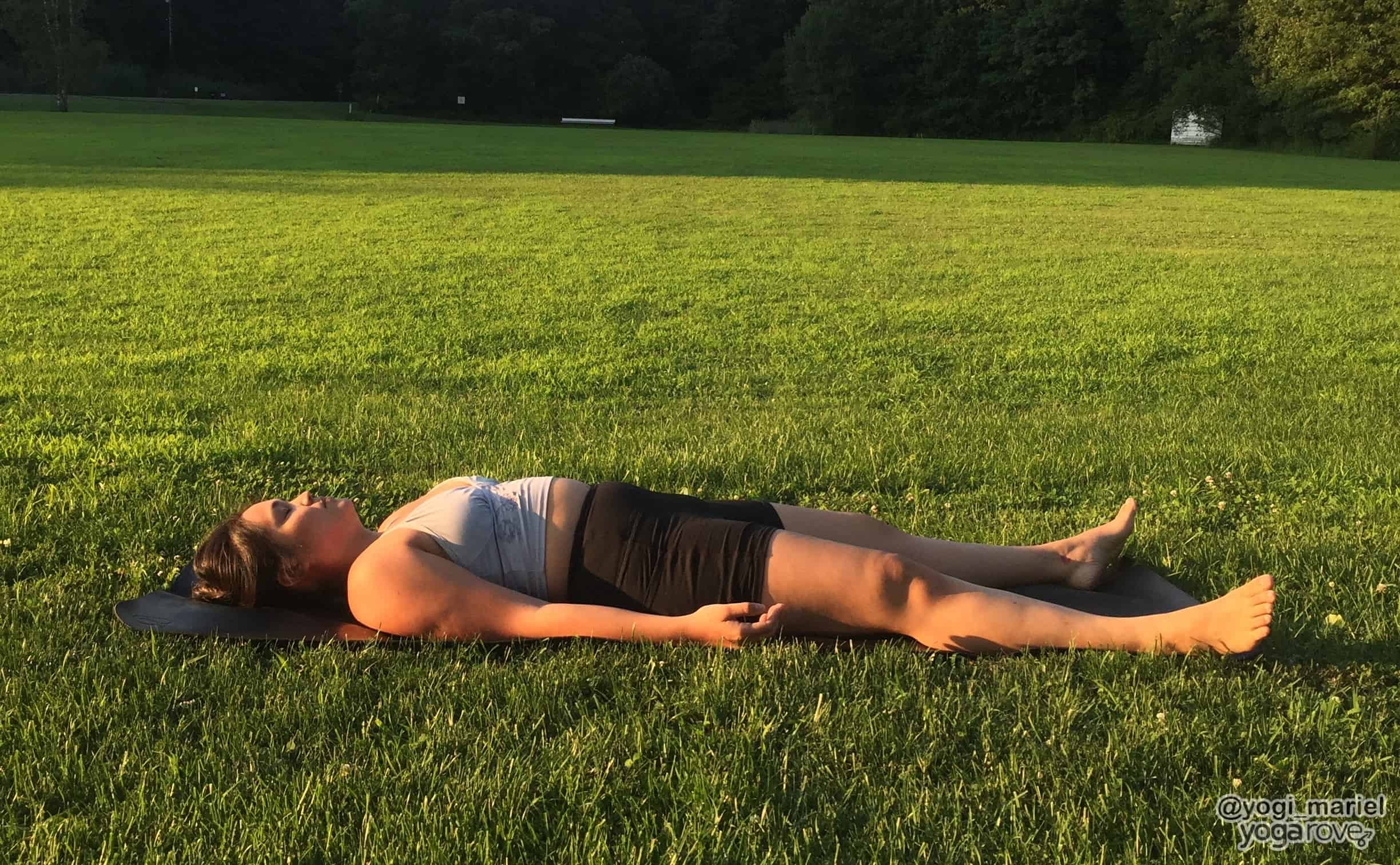
12. Corpse Pose (Savasana)
Lie flat, arms and legs relaxed, eyes closed for deep rest. It’s the ultimate relaxation, integrating practice benefits and reducing anxiety. Don’t skip this; it’s where magic happens – I often emerge feeling reborn, ready for whatever comes next.
13. Easy Pose (Sukhasana)
Sit cross-legged, hands on knees, spine straight for meditation. Promotes calm and hip flexibility – simple yet profound. Sitting here quietly shifted my mindset; it’s like a mini-retreat in your day.
14. Staff Pose (Dandasana)
Sit with legs straight, hands by hips, toes flexed. Strengthens core and aligns spine, prepping for other poses. It looks basic, but holding it builds discipline – my foundation for tougher asanas.
15. Legs-Up-The-Wall Pose (Viparita Karani)
Lie with legs up a wall, arms relaxed, for inversion benefits without strain. Relieves tired legs and calms the nervous system – my evening wind-down ritual, melting away fatigue like nothing else.
Building a Beginner Hatha Yoga Routine
String these poses into a sequence: Start with Mountain, warm up with Cat-Cow, flow through Warriors and Triangle, then cool down with forwards bends and Savasana. Aim for 30 minutes, three times weekly – consistency is key, as I learned through trial and error. For tools, a good mat like those from Manduka (external link: https://www.manduka.com) helps, or check local studios via Yoga Alliance (external: https://www.yogaalliance.org). Internally, explore our guide on yoga breathing techniques.
Where to Practice Hatha Yoga as a Beginner
Look for beginner classes at community centers or apps like Glo for home sessions – I started online during lockdown and loved the flexibility. Studios like YogaWorks offer intro deals; search “hatha yoga near me” for options. For gear, Amazon has affordable mats (external: amazon.com/yoga-mats).
Best Tools and Resources for Beginner Hatha Yogis
Invest in a non-slip mat and blocks for support – brands like Jade Yoga are eco-friendly and durable (external: jadeyoga.com). Apps such as Down Dog provide customized sequences, while books like “Light on Yoga” by B.K.S. Iyengar offer deep insights. For free, YouTube channels like Yoga with Adriene are gold – her gentle style kept me motivated early on.
People Also Ask
Is Hatha yoga good for beginners?
Absolutely, it’s one of the best starting points with its slow pace and focus on basics, helping build confidence without overwhelm. Many find it reduces anxiety and improves flexibility right away.
What is the difference between Hatha and Vinyasa yoga?
Hatha is slower, emphasizing held poses for alignment, while Vinyasa links movements with breath for a more dynamic flow. Both benefit beginners, but Hatha suits those wanting a calmer intro.
How many poses are in a typical Hatha yoga class?
Classes often include 10-20 poses, varying by level, with time for breathwork and relaxation. Beginners might focus on fewer to master form.
Can I do Hatha yoga at home?
Yes, with online guides or apps – start simple, and it’s safe if you listen to your body. I built my practice at home before joining classes.
FAQ
How often should I practice Hatha yoga as a beginner?
Aim for 2-3 sessions weekly, 20-30 minutes each, to build habits without burnout. Consistency trumps intensity at first.
Do I need any equipment for these poses?
A yoga mat is essential for grip; blocks and straps help with modifications, but you can start without them.
What if I’m not flexible enough for yoga?
Yoga improves flexibility over time – start where you are, use props, and remember, it’s about progress, not perfection.
Can Hatha yoga help with stress?
Definitely; the breath focus and poses promote relaxation, lowering cortisol levels for a calmer mind.
Is there an age limit for starting Hatha yoga?
No, it’s adaptable for all ages – modifications make it accessible, and benefits like better balance grow with practice.
Wrapping up, these 15 poses are your gateway to a rewarding Hatha journey. I started clumsy and unsure, but sticking with it brought peace and strength I didn’t know I had. Give them a try, be kind to yourself, and watch the transformation unfold. If you’re hooked, check our advanced yoga tips or external resources like Yoga Journal for more (external: yogajournal.com). Namaste – you’ve got this.