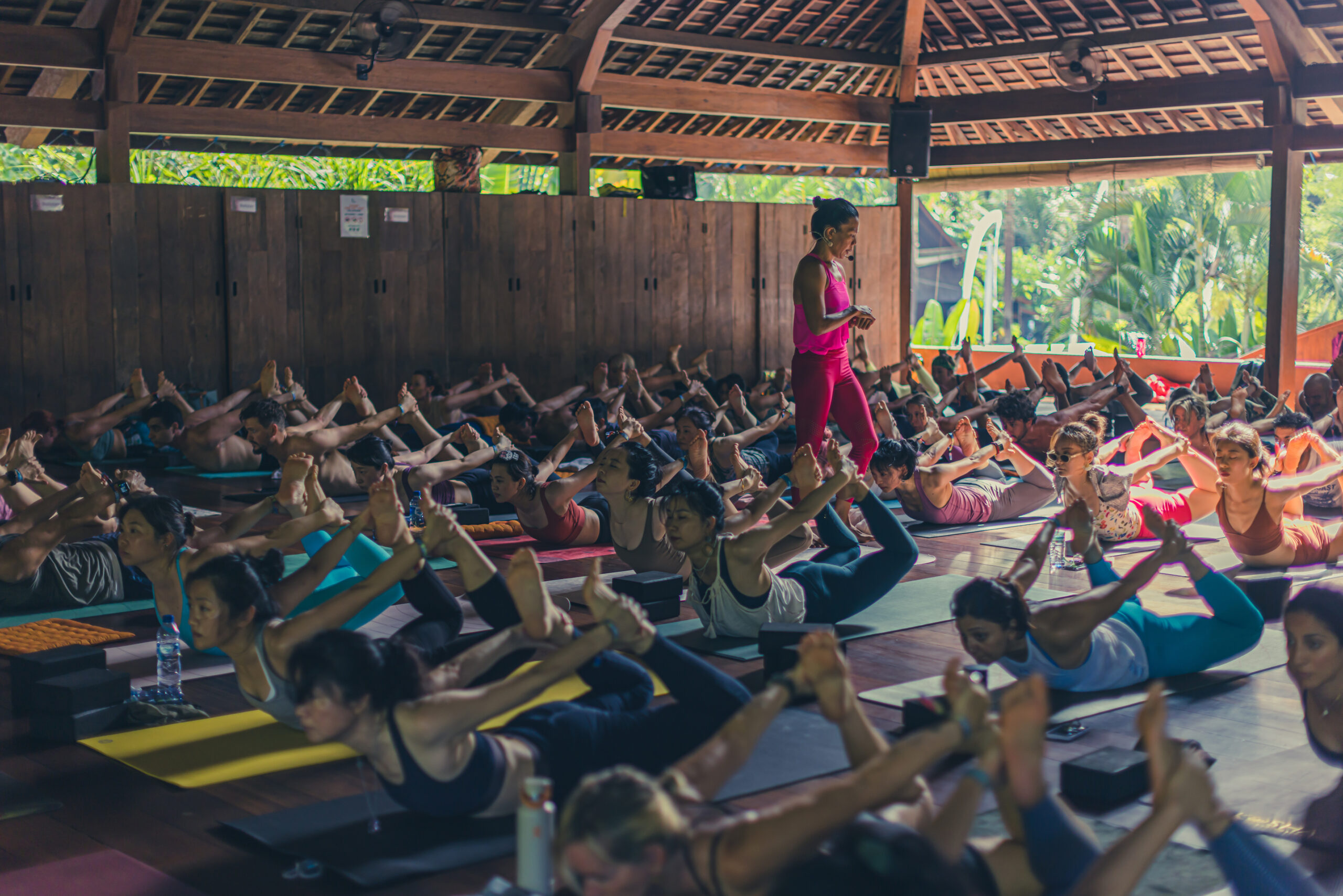
Hey there, fellow seeker. Remember that time I stumbled into my first Ashtanga class on a whim, thinking it was just another stretch session? Boy, was I wrong. Sweating buckets after the first sun salutation, I felt like I’d been hit by a truck—but in the best way. That day marked the start of a journey that didn’t just tone my body; it rebuilt my spirit from the inside out. If you’re here because life’s throwing curveballs and you’re craving that unshakeable core strength, stick around. We’re diving deep into Ashtanga Yoga, the dynamic practice that’s helped countless folks like me tap into hidden reserves of power. Think of it as your personal roadmap to not just surviving, but thriving with a quiet confidence that radiates from within.
I’ve been practicing for over a decade now, and let me tell you, the real magic isn’t in nailing a fancy pose—it’s in the grit you build along the way. We’ll cover everything from the basics to advanced tips, sprinkled with stories that might just make you chuckle or nod in recognition. Ready to unlock those secrets? Let’s flow.
What is Ashtanga Yoga?
Ashtanga Yoga is a vigorous, breath-synchronized practice that links postures in a flowing sequence, designed to purify the body and mind. Developed by Sri K. Pattabhi Jois in the 20th century, it emphasizes discipline through fixed series of poses, starting with the Primary Series for beginners. This style isn’t about relaxation alone; it’s a moving meditation that challenges you to sync breath, gaze, and movement for profound inner transformation.
History and Origins
Born in Mysore, India, Ashtanga traces its roots to ancient texts like the Yoga Korunta, rediscovered by Pattabhi Jois under his guru Krishnamacharya. Jois popularized it globally in the 1970s, teaching Western students the method’s rigorous vinyasa flow. Today, it thrives in shalas worldwide, honoring tradition while adapting to modern lives seeking balance.
The Eight Limbs Explained
Ashtanga isn’t just physical; it’s built on Patanjali’s eight limbs, from ethical yamas and niyamas to meditation and enlightenment. Practitioners weave these into daily life, using asana as a gateway to deeper states. This holistic approach fosters not only flexibility but a resilient mindset that withstands life’s stresses.
How Ashtanga Builds Inner Strength
Picture this: midway through a tough sequence, your muscles scream, but your breath steadies you like an anchor. That’s Ashtanga’s gift—cultivating inner strength through consistent effort. By demanding focus on bandhas (energy locks) and drishti (gaze points), it trains the mind to overpower doubt, turning physical challenges into mental triumphs.
Physical Benefits of Ashtanga Practice
Regular sessions sculpt lean muscle, boost endurance, and enhance flexibility, all while detoxifying through sweat. It’s like a full-body workout meets therapy, improving posture and circulation for lasting vitality. Many report reduced chronic pain, thanks to the methodical progression that builds strength safely over time.
- Increases core stability for better balance in daily activities.
- Enhances cardiovascular health with dynamic flows.
- Promotes weight management by burning calories efficiently.
- Strengthens joints and bones, reducing injury risk.
Mental and Emotional Gains
Beyond the mat, Ashtanga sharpens focus and curbs anxiety, creating a calm amid chaos. I once faced a job loss; my practice became my rock, teaching patience and self-compassion. It’s emotional alchemy—turning stress into serenity through mindful breathing.
Getting Started with Ashtanga Yoga
Dipping your toes in? Start small, maybe with a 20-minute home session, and build from there. Find a qualified teacher to guide your form—it’s crucial to avoid tweaks. Remember my rookie mistake of skipping warm-ups? Ouch. Ease in, and you’ll soon feel that inner fire igniting.
Ashtanga Yoga for Beginners
Begin with modified poses to match your level; no need to conquer the full series day one. Focus on ujjayi breath— that ocean-like sound—to stay present. Patience is key; progress comes with practice, not perfection.
Essential Tools for Your Practice
Grab a non-slip mat for grip during sweaty flows; Manduka or Jade brands shine here. A yoga towel helps absorb moisture, while blocks and straps aid beginners in reaching poses safely. Invest in quality gear to support your journey.
- Best mats: Manduka PRO for durability.
- Recommended books: “The Power of Ashtanga Yoga” by Kino MacGregor for inspiration external link.
- Online resources: Apps like Down Dog for guided sessions.
The Primary Series: Your Foundation
The Primary Series, or Yoga Chikitsa, detoxifies and aligns the body with over 70 poses in a set order. It’s the starting point for all, emphasizing forward bends to release tension. Master this, and inner strength follows naturally.
Key Poses in the Primary Series
From sun salutations to seated twists, each pose builds on the last for cumulative power. Navasana hones core strength, while Uttanasana calms the mind. Practice consistently, and these become second nature.
- Surya Namaskar A & B: Warm-up flows for energy.
- Padangusthasana: Forward bend for hamstring stretch.
- Marichyasana: Twists for spinal health.
- Savasana: Final rest to integrate benefits.
Ashtanga vs. Other Yoga Styles: A Comparison
Wondering how Ashtanga stacks up? Let’s break it down. Unlike gentler styles, it’s athletic and structured, but shares mindfulness with all yoga forms.
| Style | Pace | Focus | Difficulty | Best For |
|---|---|---|---|---|
| Ashtanga | Fast, flowing | Strength & discipline | High | Building endurance & inner power |
| Hatha | Slow, steady | Alignment & basics | Low to medium | Beginners seeking relaxation |
| Vinyasa | Creative flows | Creativity & breath | Medium | Variety lovers |
| Yin | Passive holds | Deep tissues & calm | Low | Stress relief & flexibility |
Ashtanga stands out for its fixed sequences, promoting deep self-discipline over improvisation. While Vinyasa offers freedom, Ashtanga’s rigor unlocks profound inner strength, as noted in practitioner stories.
Pros and Cons of Practicing Ashtanga
Every practice has its ups and downs—here’s the honest scoop.
Pros:
- Builds remarkable physical and mental resilience.
- Fosters discipline with daily routines.
- Detoxifies body, boosting overall health.
- Creates a sense of community in Mysore-style classes.
Cons:
- Can be intense, risking burnout if overdone.
- Not ideal for those with injuries without modifications.
- Requires time commitment for full benefits.
- May feel repetitive to some adventurers.
Where to Learn Ashtanga Yoga
Seeking a studio? Look for certified teachers via the KPJAYI directory external link. Online platforms like Omstars offer classes too. Locally, check community centers or apps for Mysore sessions—self-paced magic.
For in-depth training, head to Mysore, India, or join retreats. Internal resources like our beginners guide can kickstart your path.
People Also Ask
What is Ashtanga yoga good for?
Ashtanga excels at building physical strength, flexibility, and mental clarity. It’s ideal for stress reduction and cultivating discipline, leading to enhanced inner peace. Practitioners often find it transformative for overall well-being.
Is Ashtanga yoga difficult?
Yes, it’s challenging due to its intensity and precision, but modifications make it accessible. Start slow, and the difficulty becomes rewarding, fostering growth. It’s not for everyone, but persistence pays off.
What are the 8 steps of Ashtanga yoga?
The eight limbs include yama (ethics), niyama (observances), asana (postures), pranayama (breath control), pratyahara (sensory withdrawal), dharana (concentration), dhyana (meditation), and samadhi (enlightenment). They guide holistic development.
What is the difference between Vinyasa and Ashtanga yoga?
Ashtanga follows fixed sequences, while Vinyasa allows creative flows. Both link breath to movement, but Ashtanga emphasizes tradition and progression through series.
Is Ashtanga yoga good for beginners?
Absolutely, with guidance. Beginners benefit from its structure, but expect a learning curve. Modified classes ease entry, building confidence step by step.
FAQ
How often should I practice Ashtanga to see inner strength gains?
Aim for 5-6 days a week, even if short sessions. Consistency trumps intensity; over time, you’ll notice mental fortitude building. Rest on moon days for recovery.
Can Ashtanga help with anxiety?
Definitely— the focused breath and movement quiet the mind, reducing worry. My own story? It turned my racing thoughts into steady calm during tough times.
What’s the best book for Ashtanga beginners?
“The Power of Ashtanga Yoga” by Kino MacGregor is gold, blending stories with practical tips. It demystifies the practice for newcomers.
Is Ashtanga safe for older adults?
Yes, with adaptations. Focus on breath over perfection; consult a doctor first. Many seniors thrive, gaining vitality and strength.
How does Ashtanga differ from power yoga?
Power yoga is inspired by Ashtanga but less rigid, often gym-focused. Ashtanga sticks to traditional series for deeper spiritual benefits.
Wrapping up, Ashtanga isn’t just exercise—it’s a lifelong ally in uncovering your inner strength. That first class I mentioned? It led to moments of pure empowerment, like holding a pose I once thought impossible. Give it a shot; you might surprise yourself. Namaste.