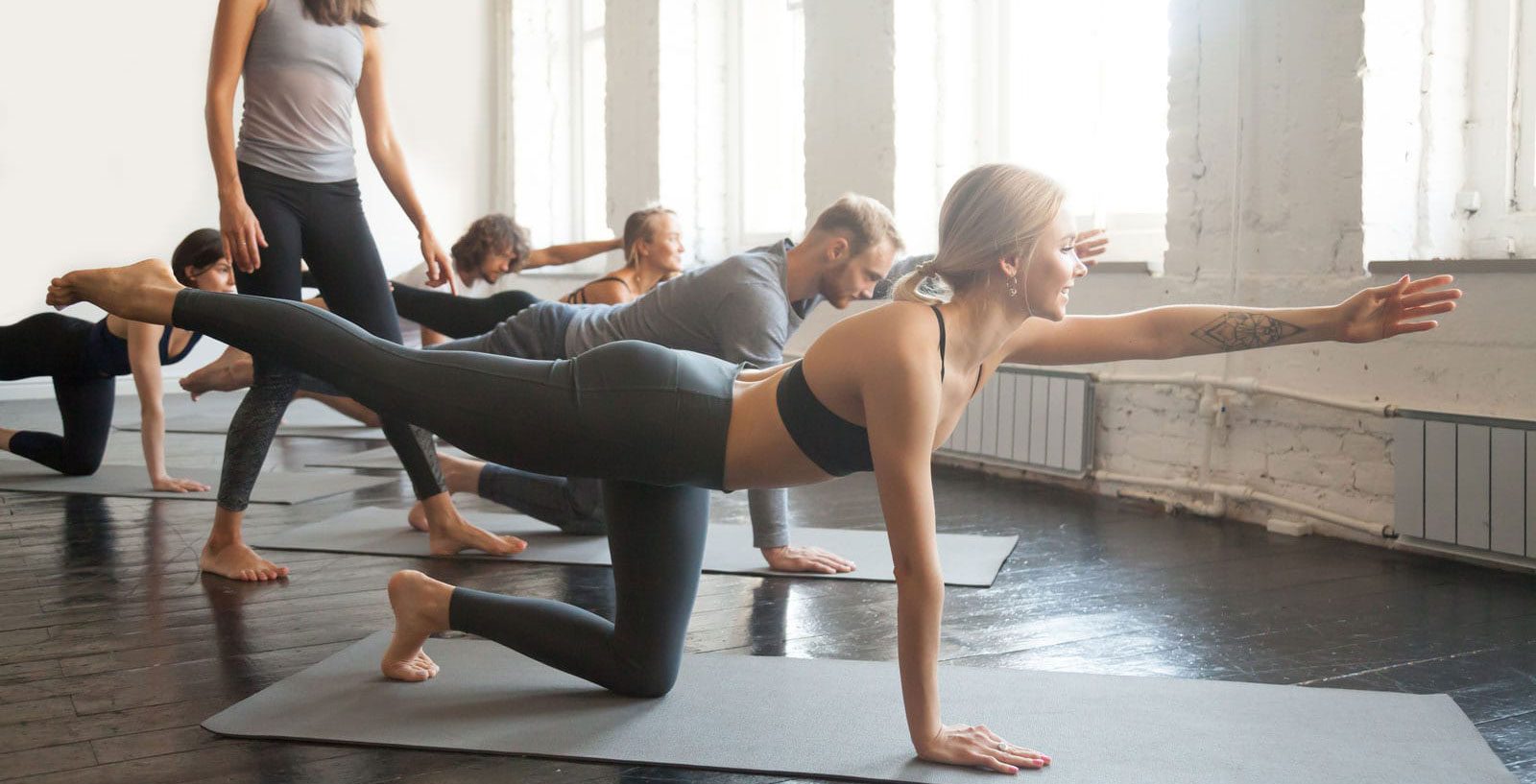
Hatha yoga, an ancient practice rooted in balancing the body and mind, has surged in popularity for good reason. It’s not just about twisting yourself into a pretzel or chanting in a candlelit room—it’s a transformative journey that brings tangible benefits to your physical, mental, and emotional well-being. Whether you’re a stressed-out professional, a busy parent, or someone just curious about yoga, Hatha offers a gentle yet powerful way to reconnect with yourself. In this article, we’ll dive into five compelling reasons to roll out a yoga mat and start practicing Hatha yoga today, backed by science, personal stories, and practical insights.
What Is Hatha Yoga?
Hatha yoga is a branch of yoga that emphasizes physical postures (asanas), breathing techniques (pranayama), and meditation to align the body and mind. Unlike fast-paced styles like Vinyasa, Hatha focuses on holding poses longer, making it accessible for beginners and seasoned yogis alike. Think of it as a slow dance that builds strength, flexibility, and inner calm.
The Origins of Hatha Yoga
Hatha yoga traces its roots to ancient India, with texts like the Hatha Yoga Pradipika (15th century) outlining its principles. The word “Hatha” combines “ha” (sun) and “tha” (moon), symbolizing the balance of opposing energies. It’s a practice designed to prepare the body for meditation by cultivating physical and mental harmony.
Why Hatha Stands Out
Unlike more dynamic yoga styles, Hatha’s slower pace allows you to focus on alignment and breath. This makes it ideal for beginners or anyone seeking a mindful practice. It’s less about breaking a sweat and more about building a foundation for lifelong wellness.
Reason 1: Boosts Physical Strength and Flexibility
Hatha yoga strengthens your muscles and improves flexibility through deliberate, controlled movements. Poses like Downward Dog or Warrior II engage multiple muscle groups, while stretches like Child’s Pose lengthen tight areas. Over time, you’ll notice better mobility and less stiffness, even if you’re not naturally bendy.
A Personal Story of Transformation
I remember my first Hatha class—I could barely touch my toes and felt like a rusty hinge. After a few months of consistent practice, I was shocked to find myself slipping into poses I once thought impossible. It wasn’t just my body; my confidence grew, too, as I realized small, steady efforts could lead to big changes.
The Science Behind It
Studies, like one published in the Journal of Strength and Conditioning Research (2015), show that regular yoga practice increases muscle strength and joint flexibility. Hatha’s focus on holding poses builds endurance, while its stretching components reduce muscle tension, making it a balanced workout.
Reason 2: Reduces Stress and Promotes Relaxation
In our fast-paced world, stress is like an uninvited guest who never leaves. Hatha yoga offers a way to evict it. By combining deep breathing with mindful movement, Hatha activates the parasympathetic nervous system, helping you feel calm and centered.
How Breathing Changes Everything
Pranayama, or breath control, is a cornerstone of Hatha. Techniques like Ujjayi breathing (a soft, oceanic sound) slow your heart rate and signal your brain to relax. I once used this during a chaotic workday, and ten minutes of slow breathing felt like a mini-vacation.
Backed by Research
A 2018 study in Frontiers in Immunology found that yoga reduces cortisol levels, the hormone tied to stress. Lower cortisol means less anxiety and better mood regulation, making Hatha a natural antidote to modern life’s pressures.
Reason 3: Enhances Mental Focus and Clarity
Hatha yoga isn’t just about the body—it’s a mental workout, too. Holding poses requires concentration, and syncing breath with movement trains your mind to stay present. This mindfulness spills over into daily life, helping you tackle tasks with sharper focus.
A Real-Life Example
A friend of mine, a teacher juggling endless responsibilities, started Hatha to cope with mental fog. She noticed that after a few weeks, she could stay calm during chaotic classroom moments and make decisions with clarity. It was like her brain got an upgrade.
Why It Works
Hatha’s meditative elements increase activity in the prefrontal cortex, the brain’s hub for focus and decision-making, according to a 2017 study in Neuroscience Letters. This mental boost is why many practitioners feel sharper and more grounded after a session.
Reason 4: Improves Posture and Body Awareness
Hatha yoga teaches you to listen to your body’s signals, improving posture and alignment. Poses like Mountain Pose or Tree Pose train you to stand tall and engage your core, counteracting the slouch from hours at a desk or on your phone.
The Desk Job Dilemma
I used to slouch terribly after long hours at my laptop, my shoulders practically hugging my ears. Hatha’s emphasis on alignment helped me become aware of my posture. Now, I catch myself sitting up straighter without even thinking about it.
Long-Term Benefits
Good posture isn’t just about looking confident—it reduces strain on your spine and joints. A 2019 study in Physical Therapy found that yoga improves spinal alignment, potentially preventing chronic pain and injuries.
Reason 5: Builds a Sense of Community and Connection
Practicing Hatha yoga, whether in a studio or online, connects you with others on a similar journey. The shared experience of moving and breathing together fosters a sense of belonging, which is vital for emotional health.
Finding My Tribe
When I joined a local Hatha class, I was nervous about being the newbie. But the warm smiles and encouragement from others made me feel at home. Those connections turned strangers into friends, and we still share tips and laughs over post-class tea.
The Power of Group Practice
Group yoga classes create a supportive environment, as noted in a 2020 study in The Journal of Positive Psychology. Practicing with others amplifies motivation and emotional well-being, making Hatha a gateway to meaningful connections.
Comparing Hatha Yoga to Other Yoga Styles
| Yoga Style | Pace | Focus | Best For |
|---|---|---|---|
| Hatha Yoga | Slow | Alignment, breath, balance | Beginners, stress relief |
| Vinyasa Yoga | Fast | Flow, movement | Cardio, dynamic practice |
| Ashtanga Yoga | Intense | Discipline, strength | Advanced yogis, fitness |
| Yin Yoga | Very slow | Deep stretching, relaxation | Flexibility, meditation |
Hatha stands out for its accessibility and focus on foundational skills, making it ideal for those starting out or seeking a balanced practice.
Pros and Cons of Hatha Yoga
Pros:
- Beginner-friendly with a gentle learning curve.
- Improves strength, flexibility, and mental clarity.
- Reduces stress through mindful breathing.
- Accessible at home or in studios.
- Builds community through group classes.
Cons:
- Slower pace may feel too gentle for those seeking high-intensity workouts.
- Requires consistency to see significant results.
- Some poses may be challenging for those with limited mobility.
Where to Start with Hatha Yoga
Ready to give Hatha yoga a try? You don’t need fancy gear or a studio membership to begin. Here’s how to dive in:
- Find a Class: Check local studios or platforms like Yoga International for beginner-friendly Hatha classes.
- Online Resources: Apps like Glo or YouTube channels like Yoga With Adriene offer free or affordable Hatha sessions.
- Essential Gear: A yoga mat, comfortable clothes, and a quiet space are all you need. Brands like Manduka or Gaiam offer durable mats.
- Start Small: Try a 15-minute session to get a feel for the practice, then gradually increase your time.
Best Tools for Practicing Hatha Yoga
- Yoga Mats: Manduka Pro or Liforme mats provide excellent grip and cushioning.
- Props: Blocks and straps from Hugger Mugger help modify poses for beginners.
- Apps: Glo, Down Dog, or Yoga Studio offer guided Hatha classes for all levels.
- Books: The Heart of Yoga by T.K.V. Desikachar is a great resource for understanding Hatha’s principles.
People Also Ask (PAA)
What is the difference between Hatha and Vinyasa yoga?
Hatha yoga is slower, focusing on holding poses and breathwork, while Vinyasa is a faster, flow-based practice linking movements with breath. Hatha is better for beginners, while Vinyasa suits those seeking a dynamic workout.
Is Hatha yoga good for beginners?
Yes, Hatha’s gentle pace and focus on alignment make it ideal for beginners. It builds a strong foundation for other yoga styles and is less intimidating than faster practices.
Can Hatha yoga help with weight loss?
While not as calorie-intensive as cardio, Hatha yoga supports weight loss by improving muscle tone, reducing stress eating, and boosting metabolism through mindful movement.
How often should I practice Hatha yoga?
Aim for 2–3 sessions per week to see benefits like improved flexibility and stress reduction. Even 15–20 minutes daily can make a difference with consistent practice.
FAQ Section
Q: Do I need to be flexible to start Hatha yoga?
A: No, Hatha yoga is perfect for all flexibility levels. The practice gradually improves your range of motion, and props like blocks can help you ease into poses.
Q: Can Hatha yoga help with anxiety?
A: Absolutely. Hatha’s breathing techniques and mindfulness reduce cortisol levels, helping to calm anxiety and promote relaxation, as supported by studies in Frontiers in Immunology.
Q: How long does it take to see results from Hatha yoga?
A: Results vary, but most people notice improved flexibility and reduced stress within 4–6 weeks of regular practice. Consistency is key to long-term benefits.
Q: Is Hatha yoga spiritual?
A: Hatha can be spiritual if you choose, but it’s primarily a physical and mental practice. You can focus solely on the physical benefits or incorporate meditation for a deeper experience.
Q: Where can I find free Hatha yoga classes?
A: Free classes are available on YouTube (e.g., Yoga With Adriene) or apps like Down Dog, which offer trial periods. Local community centers may also host free sessions.
Conclusion
Hatha yoga is more than a workout—it’s a holistic practice that strengthens your body, calms your mind, and connects you with others. From boosting flexibility to reducing stress, its benefits are backed by science and countless personal stories. Whether you’re rolling out a mat at home or joining a studio class, Hatha offers a path to better health and inner peace. So, why not give it a try? Your body and mind will thank you.