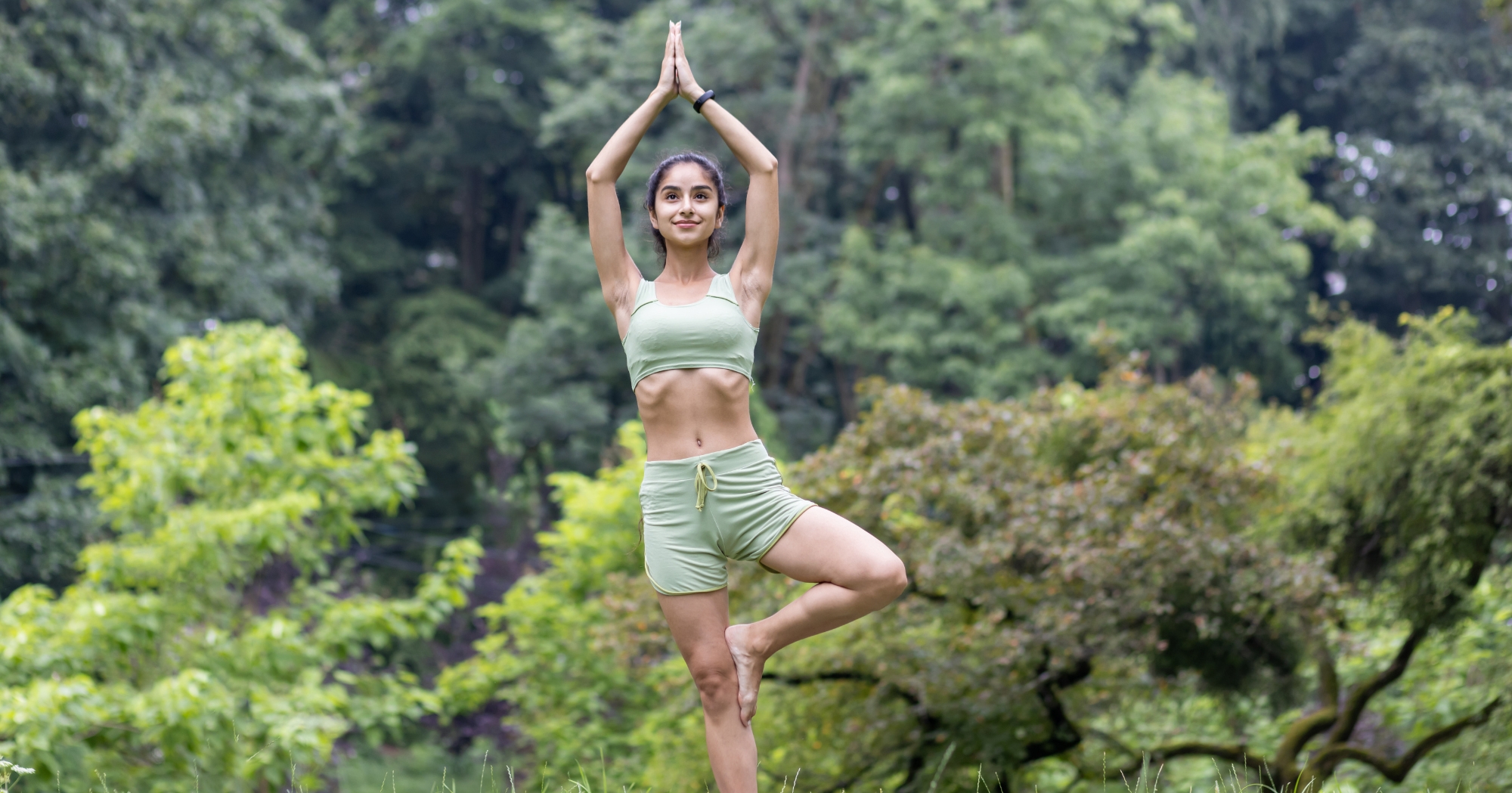
I still remember my first brush with Ashtanga Yoga like it was yesterday. I was in my late twenties, feeling stuck in a desk job that left me drained and disconnected from myself. A friend dragged me to a class, promising it would “change everything.” Skeptical but curious, I unrolled my mat and dove in. What started as a sweaty struggle turned into a lifeline, revealing an inner resilience I didn’t know I had. If you’re here because life’s throwing curveballs and you’re seeking that quiet power within, stick around. Ashtanga isn’t just poses—it’s a path to tapping into your core strength, both on and off the mat.
What is Ashtanga Yoga?
Ashtanga Yoga is a dynamic practice that syncs breath with movement in a set sequence of postures. Often called Ashtanga Vinyasa Yoga, it emphasizes flow and discipline to cleanse the body and mind. Founded on ancient principles, it’s more than exercise—it’s a holistic system for building endurance and focus.
History and Origins
This style traces back to the 20th century, popularized by K. Pattabhi Jois in Mysore, India. He learned from his guru, Tirumalai Krishnamacharya, who drew from traditional texts. Though controversies exist about its exact roots—like unverified ancient manuscripts—Ashtanga has evolved into a global practice, blending rigor with spirituality.
The Eight Limbs of Ashtanga
At its heart are Patanjali’s eight limbs: yama (ethics), niyama (self-discipline), asana (postures), pranayama (breath control), pratyahara (sensory withdrawal), dharana (concentration), dhyana (meditation), and samadhi (enlightenment). Ashtanga weaves these into daily practice, starting with physical poses to pave the way for deeper inner work.
How Ashtanga Builds Inner Strength
Picture this: You’re holding a challenging pose, breath steady, mind racing—but then it quiets. That’s Ashtanga’s magic for inner strength. Through consistent practice, it forges mental toughness, teaching you to push past limits without force. It’s not about brute power; it’s the subtle build-up of resilience that spills into everyday life.
Physical Benefits That Fuel Inner Power
The vigorous sequences detoxify and tone, but the real gem is how they cultivate stamina. I once struggled with back pain from long hours sitting; after months of Ashtanga, not only did it ease, but I felt unbreakable. It boosts flexibility, balance, and core strength, creating a body that supports a strong mind.
Mental and Emotional Gains
Stress melts away as you focus on breath and drishti (gaze points). Practitioners often report sharper clarity and reduced anxiety—it’s like meditation in motion. Emotionally, it helped me navigate a tough breakup, turning inward for healing rather than distractions. That inner calm? It’s the secret sauce.
- Enhanced Focus: Linking breath to movement trains the mind to stay present, combating distractions.
- Stress Reduction: The practice releases endorphins, easing tension and promoting peace.
- Emotional Resilience: Facing tough poses builds patience and self-compassion.
- Spiritual Connection: Over time, it fosters a sense of unity with yourself and the world.
Getting Started with Ashtanga Yoga
Diving into Ashtanga can feel intimidating, like showing up to a party where everyone knows the dance steps but you. Start small, with guidance, and let it unfold naturally. Remember my first class? I could barely touch my toes, but persistence paid off. It’s accessible if you approach it with an open heart.
A Beginner’s Guide to Practice
Begin with the Primary Series, known as Yoga Chikitsa for its therapeutic effects. Focus on breath—ujjayi style, like ocean waves—and move at your pace. Classes in Mysore style let you learn individually, which is gold for newbies avoiding overwhelm.
Essential Poses to Master First
Sun Salutations A and B kick things off, warming the body. Then come standing poses like Triangle and Warrior. Don’t rush; modifications exist for every level. I laughed at myself fumbling through them initially—it lightened the mood and kept me coming back.
- Sun Salutation A: Builds heat and flow; repeat five times.
- Triangle Pose (Trikonasana): Stretches sides, improves balance.
- Seated Forward Bend: Calms the mind, lengthens hamstrings.
- Boat Pose (Navasana): Strengthens core, tests willpower.
Ashtanga Yoga vs. Other Styles: A Comparison
Wondering how Ashtanga stacks up against Hatha or Vinyasa? It’s more structured, like a disciplined routine versus freestyle. I tried Hatha first—gentler, yes, but Ashtanga’s intensity hooked me for deeper transformation. Here’s a quick breakdown to help you choose.
| Style | Pace | Focus | Difficulty | Best For |
|---|---|---|---|---|
| Ashtanga | Fast, sequenced | Breath-sync, strength | High | Discipline seekers |
| Hatha | Slow, steady | Alignment, basics | Low-Medium | Beginners, relaxation |
| Vinyasa | Flowing, creative | Transitions, cardio | Medium-High | Variety lovers |
| Yin | Very slow, holds | Deep stretches, connective tissue | Low | Recovery, flexibility |
| Bikram | Hot, fixed 26 poses | Detox, endurance | High | Heat enthusiasts |
This table shows Ashtanga’s edge in building sustained inner strength through repetition.
Pros and Cons of Ashtanga Yoga
Like any practice, Ashtanga has its ups and downs. On the plus side, it’s transformative; cons include the risk of burnout if overdone. Weigh them based on your goals—I found the pros far outweighed the initial soreness.
Pros
- Builds incredible physical and mental strength quickly.
- Structured sequence makes progress trackable and motivating.
- Detoxifies through sweat, leading to better health overall.
- Fosters community in studios, creating lasting bonds.
Cons
- Can be physically demanding, risking injury without proper form.
- Requires commitment—six days a week ideally—which isn’t for everyone.
- Less variety than other styles, potentially leading to boredom.
- Not ideal for those with certain injuries without modifications.
Best Tools and Resources for Ashtanga Practice
To unlock Ashtanga’s secrets at home or deepen your studio sessions, grab some essentials. From mats to apps, these make the journey smoother. I swear by a good book for those off-mat insights that amplify inner growth.
Top Books for Deeper Understanding
“Yoga Mala” by Pattabhi Jois is a must-read classic, detailing the philosophy. For modern takes, “The Power of Ashtanga Yoga” by Kino MacGregor offers practical tips with heart. These aren’t just reads—they’re companions on your path.
Recommended Apps and Online Platforms
Apps like “Ashtanga Yoga” on Google Play guide sequences with audio. Omstars shines for video classes, perfect for home practice. Check out internal link to our yoga apps guide for more.
- Ashtanga Yoga App: Free sequences and breathing cues.
- John Scott Yoga Apps: Counting methods for series mastery.
- YouTube Channels: Free beginners’ flows from teachers like David Swenson.
For classes, head to local studios or online via platforms like Glo. External resource: Visit Ashtanga.com for authentic info.
People Also Ask About Ashtanga Yoga
Diving into search trends, folks often wonder about Ashtanga’s basics and fit. Based on real Google queries, here are answers to common ones, straight from reliable sources.
What is Ashtanga yoga good for?
It’s excellent for building strength, flexibility, and mental clarity. Regular practice detoxifies the body and reduces stress, making it ideal for those seeking holistic wellness.
Is Ashtanga yoga hard?
Yes, it’s challenging due to its intensity and fixed sequences, but beginners can modify. With time, it becomes rewarding, as I learned after stumbling through my early days.
What are the 8 stages of Ashtanga yoga?
The eight limbs include ethics, self-care, postures, breath work, sensory control, concentration, meditation, and enlightenment— a full roadmap to inner strength.
What is the difference between yoga and Ashtanga yoga?
General yoga encompasses many styles; Ashtanga is a specific vinyasa-based one with set series, focusing on breath-movement sync for dynamic energy.
FAQ: Common Questions on Ashtanga Yoga
Can beginners do Ashtanga Yoga?
Absolutely—start with guided classes and modifications. It’s tough at first, but builds you up gradually.
How often should I practice Ashtanga?
Aim for 5-6 days a week for best results, but listen to your body. Even 3 days can spark inner strength.
Does Ashtanga help with weight loss?
Yes, its cardio-like flow burns calories and builds muscle, aiding fat loss when paired with diet.
Where can I find Ashtanga classes near me?
Search local studios via Yoga Alliance directories or apps like Mindbody. Online options abound on platforms like Yoga International.
Is Ashtanga suitable for all ages?
With adaptations, yes—I’ve seen folks in their 60s thrive. Consult a doctor if you have health concerns.
Ashtanga Yoga isn’t a quick fix; it’s a journey that uncovers your hidden reserves. From that first awkward class to moments of profound stillness, it taught me strength comes from within. Give it a shot—you might just unlock secrets you never knew you held. For more on yoga journeys, check our internal link to yoga stories.