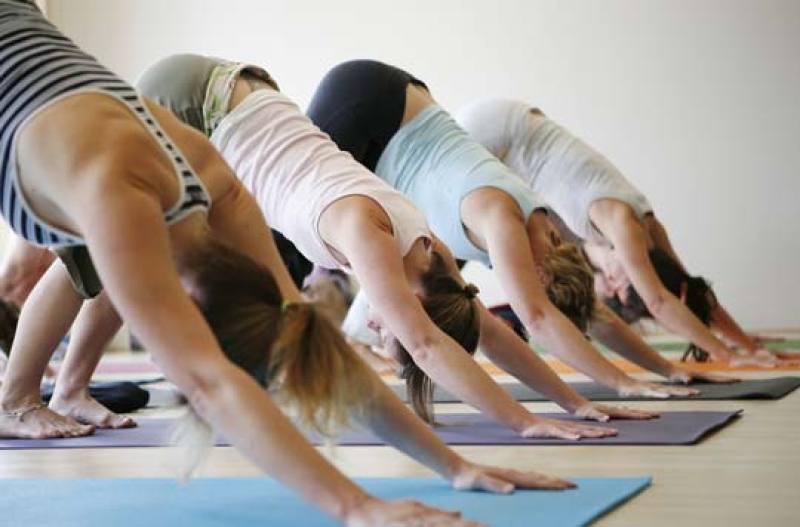
Hey there, if you’re curious about Ashtanga Yoga like I was a few years back, you’re in for a treat. I remember stumbling into my first class feeling like a total newbie, sweating buckets while trying to sync my breath with these flowing moves—it was tough but transformative. This ancient practice isn’t just about twisting into pretzels; it’s a holistic path that builds strength, focus, and inner peace. In this deep dive, we’ll explore its roots, key postures, and where you can learn it, all while keeping things real and relatable.
What is Ashtanga Yoga?
Ashtanga Yoga is a dynamic style of yoga that links breath with movement in a set sequence of poses, creating a flowing meditation in motion. Often called “power yoga” for its intensity, it draws from hatha yoga traditions and emphasizes building heat in the body to purify and strengthen. Unlike gentler forms, it demands discipline but rewards you with improved flexibility, stamina, and mental clarity—perfect if you’re seeking a challenging yet rewarding routine.
The Eight Limbs of Yoga
At its core, Ashtanga follows Patanjali’s eight-limbed path, which goes beyond physical poses to include ethics, self-discipline, and meditation. These limbs—Yama (moral codes), Niyama (personal observances), Asana (postures), and more—guide practitioners toward enlightenment. It’s like a roadmap for living well, where the physical practice is just one step in cultivating a balanced life.
Key Principles: Vinyasa, Drishti, and Bandhas
Vinyasa means syncing breath with each transition, turning your practice into a seamless flow that boosts energy. Drishti is the focused gaze that sharpens concentration, while bandhas are internal locks that stabilize the core and direct prana (life force). Together, they make Ashtanga feel alive and purposeful, helping you stay present amid the sweat.
History of Ashtanga Yoga
Tracing back thousands of years, Ashtanga Yoga stems from ancient Indian scriptures that outline a path to self-realization through disciplined practice. It’s not a modern invention but evolved from texts like the Yoga Korunta, rediscovered in the early 20th century. This history reminds me of how timeless wisdom adapts—much like how I adapted my own routine over time to fit my busy life.
Patanjali’s Yoga Sutras
Around 400 CE, sage Patanjali compiled the Yoga Sutras, defining Ashtanga as the “eight-limbed yoga” for achieving union of body and mind. These sutras emphasize controlling the mind’s fluctuations through ethics and meditation. They’re the philosophical backbone, inspiring practitioners to look inward for true transformation.
Modern Development: Krishnamacharya and Pattabhi Jois
In the 1930s, Tirumalai Krishnamacharya revived dynamic yoga sequences, teaching them to students like K. Pattabhi Jois in Mysore, India. Jois popularized Ashtanga globally from the 1970s, establishing the Ashtanga Yoga Research Institute. His lineage brought this vigorous style to the West, blending tradition with accessibility.
I’ll never forget my first Mysore-style class—it was self-paced, with the teacher adjusting me gently. That personal touch, rooted in Jois’s methods, made me feel connected to this rich heritage. If you’ve ever felt lost in a group class, trying Ashtanga’s individualized approach might just click for you, adding a layer of authenticity that’s hard to beat.
Benefits of Ashtanga Yoga
Practicing Ashtanga regularly can reshape your body and mind, from toning muscles to easing stress—it’s like a full-body reset. Many folks, including me, notice better sleep and sharper focus after just a few weeks. But it’s not all sunshine; the intensity can be humbling, teaching patience along the way.
- Physical Strength: Builds core power and endurance through repetitive flows.
- Flexibility Boost: Stretches deepen over time, reducing injury risk.
- Mental Resilience: Breath focus calms the mind, combating anxiety.
- Detoxification: Sweating purifies the system, improving overall vitality.
Pros and Cons of Ashtanga Yoga
Pros include its structured progression, which keeps motivation high, and the community vibe in classes that fosters growth. On the flip side, it can be intimidating for beginners and time-consuming, requiring commitment. Weighing these helped me stick with it— the pros far outweigh the initial soreness.
Comparison: Ashtanga vs. Other Yoga Styles
Compared to Vinyasa, Ashtanga is more rigid with fixed sequences, while Iyengar focuses on alignment with props. Hatha is slower and restorative, suiting recovery days. If you’re athletic, Ashtanga’s vigor edges out Bikram’s heat without the sauna feel.
| Aspect | Ashtanga Yoga | Vinyasa Yoga | Hatha Yoga |
|---|---|---|---|
| Pace | Fast, flowing | Creative flows | Slow, steady |
| Structure | Fixed series | Teacher-led variations | Basic poses held longer |
| Focus | Breath synchronization | Fluid movement | Alignment and breath |
| Intensity | High | Medium to high | Low to medium |
Ashtanga Yoga Poses: The Primary Series
The Primary Series, or Yoga Chikitsa, detoxifies and aligns the body with about 75 poses done in order. It starts with Sun Salutations to warm up, moving into standing and seated postures before finishing with inversions. Mastering this takes time, but even partial practice feels empowering.
Sun Salutations (Surya Namaskar A and B)
These foundational flows build heat: inhale to reach up, exhale to fold forward, and jump back to plank. Repeat five times each—they’re the heartbeat of Ashtanga. I chuckled at my wobbly first attempts, but now they’re my daily energizer.
Standing Poses
Key ones like Triangle (Trikonasana) and Warrior (Virabhadrasana) ground you, strengthening legs and improving balance. They transition smoothly, teaching stability. Practice them mindfully to avoid strain.
Seated Poses and Finishing Sequence
From forward bends like Paschimottanasana to twists, these deepen flexibility. End with backbends, shoulder stands, and Savasana for restoration. It’s a complete workout in one go.
For a visual guide, check out resources like Yoga Basics or our internal page on beginner yoga poses.
Advanced Ashtanga Series
Once Primary is solid, move to Intermediate (Nadi Shodhana) for nerve cleansing with arm balances and deeper backbends. Advanced series A-D challenge even pros. Progress slowly—rushing led to my one tweak, a lesson in humility.
Is Advanced Ashtanga for Everyone?
Not right away; it builds on basics, enhancing power and poise. If Primary feels good, dip in under guidance. It’s rewarding but demands respect for your limits.
How to Start Ashtanga Yoga
Begin with a beginner-friendly class or online tutorial to learn the basics safely. Focus on breath over perfection—my early mishaps taught me that. Consistency is key; aim for 3-5 sessions weekly.
Tips for Beginners
- Start slow with modified poses.
- Use props like blocks for support.
- Listen to your body to prevent overexertion.
- Join a Mysore-style class for personalized feedback.
Pros: Structured growth; cons: Can feel repetitive at first. Compared to casual yoga apps, in-person studios offer better form checks—try Ashtanga Yoga Center for authentic vibes.
Ashtanga Yoga Courses and Training
Finding the right course depends on your level—online options suit home practice, while in-person immersions deepen skills. Look for certified teachers from the Jois lineage for trustworthiness. Best tools include mats from Manduka or books like David Swenson’s “Ashtanga Yoga: The Practice Manual.”
Online Courses
Platforms like Omstars offer free intros and paid series, such as their Ashtanga Inside & Out program. Yoga Academy International’s free intensive breaks down poses step-by-step—ideal for self-starters.
In-Person Teacher Trainings
200-hour programs in Mysore or U.S. studios like Ashtanga Yoga Mysore provide certification. For navigation, visit KPJAYI or local spots via Yoga Alliance directories. Transactionally, invest in quality—Uluyoga’s online RYT-200 is a solid, affordable pick at around $500.
| Course Type | Best For | Examples | Cost Range |
|---|---|---|---|
| Free Online | Beginners | Yoga Academy Intensive | Free |
| Paid Online | Intermediate | David and Jelena’s 30-Day Program | $50-200 |
| In-Person Training | Certification | Ashtanga Yoga Mysore 200-Hour | $2,000+ |
Link to more: Explore our yoga course reviews or external Yoga Alliance.
People Also Ask
Drawing from common Google queries, here are real questions folks search about Ashtanga.
Is Ashtanga Yoga Good for Beginners?
Absolutely, with modifications—it’s intense but scalable. Start led classes to build confidence.
What Are the Benefits of Ashtanga Yoga?
From weight loss to stress relief, it enhances physical fitness and mental focus. Regular practice boosts immunity too.
How Is Ashtanga Different from Vinyasa?
Ashtanga has fixed sequences; Vinyasa allows creativity. Both flow with breath, but Ashtanga’s structure suits disciplinarians.
Can Ashtanga Yoga Help with Weight Loss?
Yes, its cardio element burns calories—pair with diet for results. I shed a few pounds effortlessly.
FAQ
What is the difference between Ashtanga and other yogas?
Ashtanga features set poses in series, unlike Hatha’s hold-focused or Vinyasa’s varied flows. It’s more athletic.
How often should I practice Ashtanga Yoga?
Aim for 5-6 days weekly, resting on moon days. Consistency trumps intensity for progress.
Are there any risks in Ashtanga Yoga?
Overdoing can cause strains—listen to your body and seek qualified teachers to minimize issues.
Where can I find Ashtanga Yoga classes near me?
Search local studios via apps like Mindbody or directories on Yoga Finder. Online backups work too.
What equipment do I need for Ashtanga?
A non-slip mat, comfortable clothes, and perhaps a towel for sweat. No fancy gadgets required.
Wrapping up, Ashtanga Yoga has been my anchor through chaotic times, blending sweat with serenity in ways I never expected. Whether you’re chasing history, perfecting poses, or scouting courses, dive in—your body and mind will thank you. If this sparked your interest, share your story below!