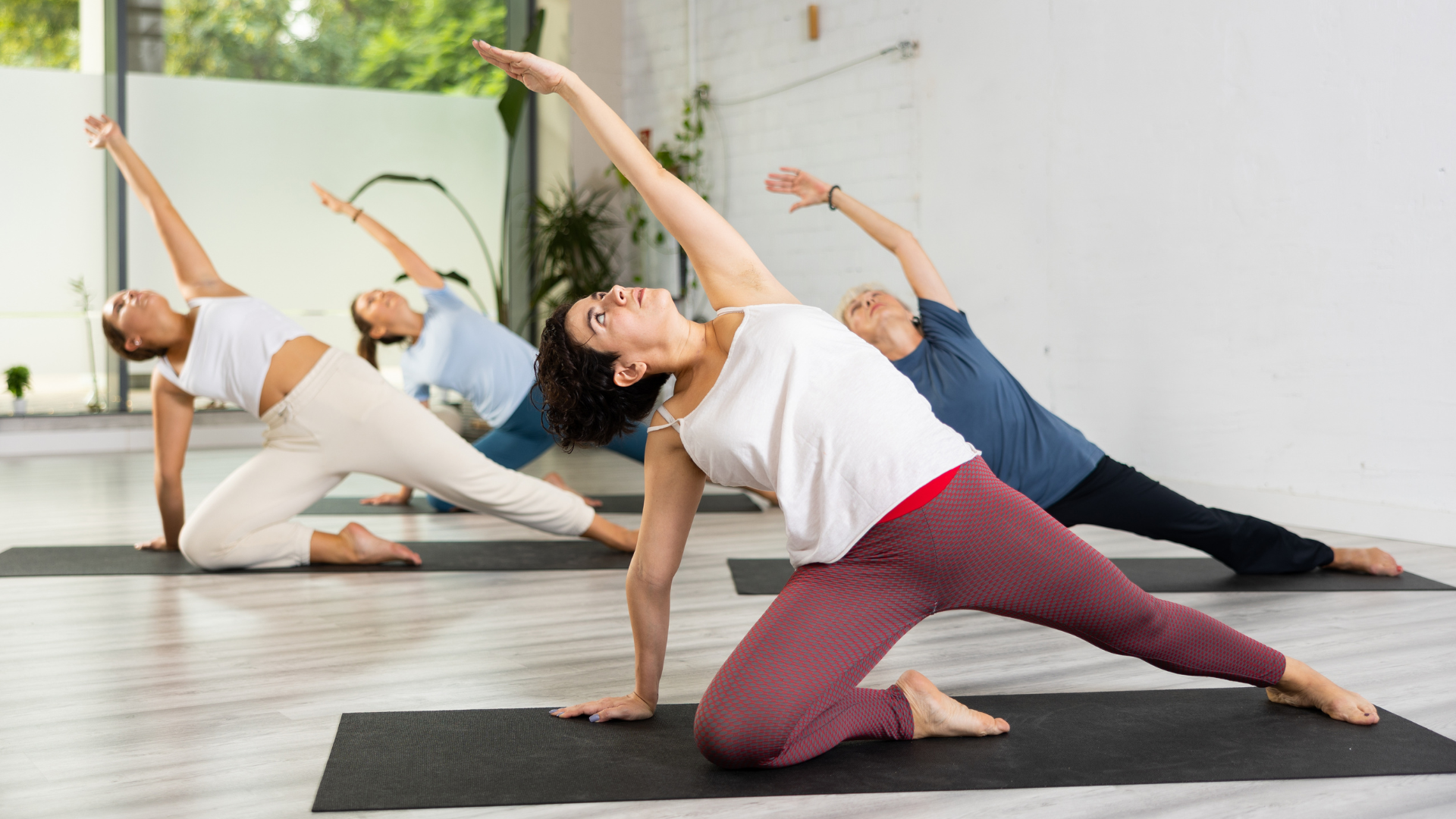
I remember the first time I stepped into an Ashtanga class—it was like walking into a steam room where everyone moved like synchronized swimmers, but on mats. Sweaty, intense, and oddly addictive. I’d been dabbling in gentler yoga styles, but Ashtanga hooked me with its rhythm and challenge. If you’re curious about this powerhouse practice, stick around. We’ll dive deep into what makes it tick, from its ancient roots to how it can transform your daily grind.
What is Ashtanga Yoga?
Ashtanga Yoga stands out as a dynamic, flowing style that syncs breath with movement, creating a moving meditation. It’s not just poses; it’s a full-body workout that builds heat and focus. Practitioners often describe it as a path to inner peace amid the sweat.
Definition of Ashtanga Yoga
In Sanskrit, “Ashtanga” means “eight limbs,” referring to the holistic system outlined in ancient texts. It’s a vigorous form of Hatha yoga with fixed sequences, emphasizing strength, flexibility, and mindfulness. Unlike casual classes, it follows a set order to progressively build skills.
The History of Ashtanga Yoga
Picture this: thousands of years ago, sages in India codifying a way of life that balances body and mind. Ashtanga’s story is a blend of ancient wisdom and modern revival, making it timeless yet evolving. It’s like a family recipe passed down, tweaked for today’s tastes.
Ancient Roots in Patanjali’s Yoga Sutras
The foundation traces back to Patanjali’s Yoga Sutras around 200 BCE, where he detailed the eight limbs as steps to enlightenment. These weren’t just exercises but a blueprint for ethical living and self-realization. Early yogis used it to transcend daily chaos.
Modern Development by Krishnamacharya and Pattabhi Jois
In the 20th century, Tirumalai Krishnamacharya revived dynamic yoga in Mysore, India. His student, Sri K. Pattabhi Jois, popularized Ashtanga worldwide from the 1940s, teaching fixed series to Westerners. Jois’s institute became a pilgrimage spot, spreading the practice like wildfire.
Core Principles of Ashtanga Yoga
At its heart, Ashtanga isn’t about fancy poses—it’s a philosophy for living better. I once skipped the ethical bits and jumped straight to asanas; big mistake. The principles ground you, turning practice into a life upgrade.
The Eight Limbs Explained
These limbs build on each other, starting with ethics and ending in bliss. They’re like rungs on a ladder to self-mastery. Without them, it’s just stretching; with them, it’s transformative.
| Limb | Sanskrit Name | Description |
|---|---|---|
| 1 | Yama | Ethical standards like non-violence and truthfulness. |
| 2 | Niyama | Self-discipline, including cleanliness and contentment. |
| 3 | Asana | Physical postures to prepare the body. |
| 4 | Pranayama | Breath control for energy flow. |
| 5 | Pratyahara | Sensory withdrawal to focus inward. |
| 6 | Dharana | Concentration on a single point. |
| 7 | Dhyana | Meditation, uninterrupted flow of awareness. |
| 8 | Samadhi | Enlightenment, union with the divine. |
Key Practices in Ashtanga Yoga
Practicing Ashtanga feels like a dance—breath leads, body follows. Early on, I fumbled the vinyasa jumps, landing with a thud that made the class chuckle. But that’s the beauty: it teaches humility through repetition.
Vinyasa: Breath-Synchronized Movement
Vinyasa links poses with inhales and exhales, creating flow and heat. It’s the glue holding sequences together, making sessions feel alive.
Bandhas, Drishti, and Ujjayi Breath
Bandhas are energy locks for stability; drishti is gaze points for focus; Ujjayi is oceanic breathing for rhythm. Together, they turn physical effort into mental clarity.
The Six Series of Ashtanga
From beginner-friendly Primary to advanced levels, each series builds on the last. Most start with Primary, detoxifying the body.
The Primary Series: Yoga Chikitsa
Known as “yoga therapy,” it focuses on forward bends and hip openers. It’s about 90 minutes of sun salutations, standing poses, seated sequences, and finishes.
Ashtanga Yoga vs. Other Yoga Styles
Ever wondered if Ashtanga’s intensity suits you over calmer options? I tried Hatha after burning out on Ashtanga—felt like switching from sprinting to strolling. Both valuable, but different vibes.
Comparison with Hatha Yoga
Hatha is slower, holding poses longer for alignment. Ashtanga’s flow builds cardio, while Hatha emphasizes relaxation.
Comparison with Vinyasa Flow
Vinyasa is creative, teacher-led sequences. Ashtanga sticks to tradition, no variations.
| Style | Pace | Sequence | Focus |
|---|---|---|---|
| Ashtanga | Fast, flowing | Fixed | Discipline, strength |
| Hatha | Slow, steady | Varied | Alignment, basics |
| Vinyasa | Moderate flow | Creative | Creativity, breath |
| Bikram | Hot, repetitive | 26 poses | Heat, endurance |
Benefits and Drawbacks of Ashtanga Yoga
Ashtanga reshaped my body and mind—I lost weight, gained patience. But that first month? Sore muscles and ego bruises. It’s rewarding, yet demanding.
Pros of Ashtanga Practice
- Builds incredible strength and flexibility.
- Improves focus and reduces stress through breath work.
- Creates community in Mysore-style classes.
- Detoxifies via sweat and twists.
Cons to Consider
- High injury risk if pushed too hard.
- Time-intensive, often 5-6 days a week.
- Not ideal for beginners without modifications.
- Can feel rigid compared to freer styles.
How to Start Ashtanga Yoga
Diving in? Start small. I began with a beginner workshop, fumbling sun salutations but loving the challenge. Find a good teacher—it’s key to avoiding bad habits.
Finding Classes and Teachers
Look for certified studios via the Ashtanga Yoga Institute. Online platforms like Yoga International offer virtual Mysore sessions. Locally, check directories like YogaFinder.
Best Tools and Gear for Beginners
Grab a non-slip mat like Manduka PRO for grip during sweaty flows. Books? “Ashtanga Yoga: The Practice Manual” by David Swenson is gold. For apps, try Ashtanga Yoga App for sequence guides.
People Also Ask
Drawing from real Google queries, here’s what folks often wonder about Ashtanga.
What is Ashtanga Yoga?
It’s a structured, vigorous yoga with breath-linked poses in set series. Rooted in tradition, it’s great for building discipline.
Can Beginners Do Ashtanga Yoga?
Absolutely, with modifications. Start slow; many studios offer intro classes to ease in.
How is Ashtanga Different from Other Yoga?
Fixed sequences and intensity set it apart from flexible Vinyasa or gentle Hatha. It’s more athletic, less improvisational.
Is Ashtanga Yoga Good for Weight Loss?
Yes, its cardio element burns calories effectively. Combined with diet, it’s a solid tool.
FAQ
What are the eight limbs of Ashtanga Yoga?
They include Yama (ethics), Niyama (self-care), Asana (poses), Pranayama (breath), Pratyahara (withdrawal), Dharana (focus), Dhyana (meditation), and Samadhi (enlightenment). Each builds toward holistic well-being.
How often should I practice Ashtanga Yoga?
Traditionally, six days a week, resting on moon days. Beginners might start with three sessions to build stamina.
What should I wear to an Ashtanga class?
Breathable, fitted clothes that wick sweat. Avoid baggy stuff—it gets in the way during inversions.
Can Ashtanga Yoga help with stress?
Definitely; the breath focus calms the mind. Many report better sleep and mood after consistent practice.
Where can I learn more about Ashtanga history?
Check our guide to yoga origins or books like “Guruji” on Pattabhi Jois.
Wrapping up, Ashtanga isn’t just exercise—it’s a journey. That sweaty mat became my sanctuary, teaching resilience amid life’s bends. If it calls to you, roll out a mat and breathe. You might surprise yourself.