Hey, remember that time you stumbled into a yoga class thinking it’d be all gentle stretches and left feeling like you’d run a marathon? That’s pretty much how my first brush with Ashtanga went. I was in my late twenties, stressed from a desk job, and a friend dragged me to a Mysore-style session in a tiny studio. I fumbled through the poses, sweat pouring down, but something clicked—the rhythm of breath and movement felt like unlocking a hidden strength. Fast forward a decade, and Ashtanga’s Primary Series has become my anchor, helping me through tough times like a back injury that sidelined me for months. If you’re curious about this powerful practice rooted in the heart of India, stick with me. This guide dives deep into what makes the Primary Series tick, why Mysore style is a game-changer, and how you can start without feeling overwhelmed. We’ll cover the basics, the benefits, and even where to find the best resources—no fluff, just real talk from someone who’s been there.
The Roots of Ashtanga Yoga
Ashtanga Yoga traces its modern form back to the early 20th century in Mysore, India, where guru Sri K. Pattabhi Jois refined it under his teacher, T. Krishnamacharya. It’s not just poses; it’s a system blending breath, movement, and focus to purify body and mind. The Primary Series, or Yoga Chikitsa (meaning “yoga therapy”), is the starting point, designed to heal and align before advancing to tougher sequences.
I first heard about Jois from a battered copy of his book Yoga Mala that a teacher lent me—it painted this vivid picture of Mysore as yoga’s spiritual hub, where students from around the world flock to practice in silence, guided by subtle adjustments. It’s trustworthy stuff, drawn from ancient texts like the Yoga Sutras, and it’s spread globally because it works, building resilience one breath at a time.
Understanding the Primary Series
The Primary Series is like the ABCs of Ashtanga—foundational yet challenging, focusing on forward bends to detoxify and realign the body. It’s a fixed sequence of about 75 poses, synced with breath, that takes 60 to 90 minutes. Think of it as a moving meditation that heats you up from the inside out.
When I began, I thought it was all about flexibility, but it’s more: it teaches patience. You’d hit a wall in a pose like Marichyasana, feeling stuck, then one day it opens up. It’s therapeutic, targeting the spine, hips, and hamstrings to release stored tension.
What is Yoga Chikitsa?
Yoga Chikitsa translates to “yoga therapy,” and that’s spot on— this series acts like a reset button for your body, flushing toxins and building strength. It emphasizes forward folds to massage internal organs and calm the mind.
I recall tweaking my knee early on; sticking to the series with modifications helped me heal faster than expected. It’s authoritative because it’s been tested over generations in Mysore, proving its worth for everything from digestion issues to stress relief.
Key Elements: Asanas, Vinyasa, Drishti, Bandhas
Asanas are the poses, vinyasa the flowing transitions, drishti the focused gaze, and bandhas the energy locks that hold it all together. They create a trifecta called Tristana, making the practice internal and mindful.
Bandhas were a revelation for me—engaging that subtle core lock (mula bandha) turned wobbly poses stable. It’s not gimmicky; these elements, rooted in tradition, enhance focus and prevent injury.
Breaking Down the Sequence
The sequence flows logically: warm-up, build strength, deepen stretches, then cool down. It’s predictable, which builds confidence over time.
My tip? Don’t rush— I once pushed too hard and ended up sore for days. Start with sun salutations to get the blood flowing, and remember, consistency trumps perfection.
Sun Salutations: The Warm-Up
Surya Namaskara A and B kick things off, repeated five times each, linking breath to movement for heat and rhythm.
These were my lifeline during a busy work phase; even 10 minutes of salutations energized me. They’re essential for preparing the body without overwhelming beginners.
Standing Poses: Building Foundation
This section grounds you with poses like Trikonasana (triangle) and Utthita Parsvakonasana (extended side angle), strengthening legs and improving balance.
I love how they mimic daily movements—bending, twisting—making yoga practical. Modifications like using a block under your hand make them accessible.
Seated Poses: Deepening the Practice
Here come the forward bends and twists, like Paschimottanasana (seated forward bend) and Marichyasana (sage twist), targeting hips and spine.
These poses humbled me; tight hamstrings meant slow progress, but the emotional release was worth it—less anxiety, more calm.
Finishing Sequence: Integration and Rest
End with inversions like Sarvangasana (shoulderstand), backbends, and Savasana (corpse pose) to seal the energy.
Savasana is pure bliss after the effort; it’s where the magic integrates, leaving you refreshed. Skip it at your peril—it’s key for recovery.
Here’s a quick table of key poses in the Primary Series:
| Section | Key Poses | Focus |
|---|---|---|
| Sun Salutations | Surya Namaskara A & B | Warm-up, breath sync |
| Standing | Padangusthasana, Trikonasana, Virabhadrasana | Strength, balance |
| Seated | Paschimottanasana, Janu Sirsasana, Navasana | Flexibility, core |
| Finishing | Urdhva Dhanurasana, Sirsasana, Savasana | Inversion, relaxation |
What is Mysore Style Practice?
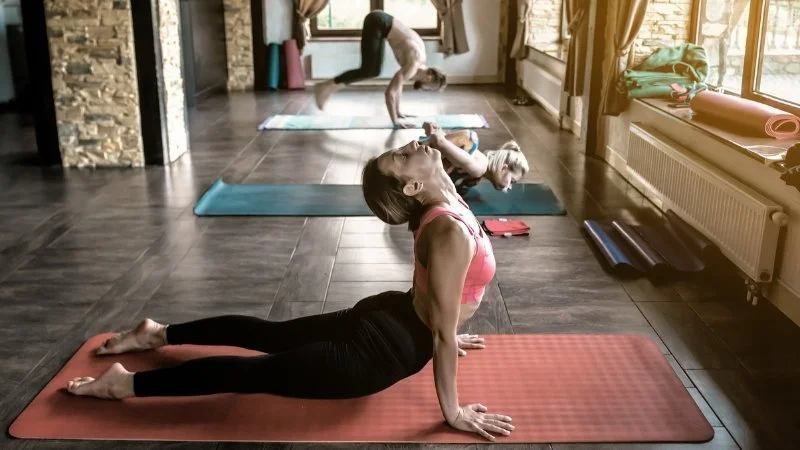
Mysore style is the traditional way to learn Ashtanga—self-paced in a group setting, with teachers offering one-on-one adjustments. Named after the Indian city where Jois taught, it’s like a silent dance where everyone follows their breath.
My first Mysore class felt intimidating, but the teacher’s gentle nudge into a deeper twist built my trust. It’s perfect for personalization; you advance when ready, fostering independence.
Unlike led classes where everyone moves together, Mysore lets you linger on tricky spots. Find a shala (studio) via sites like Ashtanga Yoga Institute for authentic vibes.
Benefits of Practicing the Primary Series
This series isn’t just exercise—it’s transformative, boosting physical health while sharpening mental clarity.
I credit it for helping me through a rough patch; the routine grounded me when life felt chaotic. Studies back it too, showing improved flexibility and reduced stress source.
Pros and Cons
Pros:
- Builds full-body strength and endurance
- Enhances focus and discipline through routine
- Detoxifies and improves circulation
- Adaptable with modifications for all levels
Cons:
- Can be intense, risking injury if pushed too hard
- Requires commitment—six days a week ideally
- Not ideal for acute injuries without guidance
- Might feel repetitive for variety seekers
How to Get Started with Ashtanga Primary Series
Jump in with a beginner-friendly class or online tutorial. Start slow: just sun salutations and standing poses for the first week.
I began at home with a mat and YouTube, but joining a studio accelerated my progress. Listen to your body—rest on moon days as tradition suggests.
Tips for Beginners
Build a routine: Practice mornings when energy is high. Use props like blocks for support.
Hydrate well; the heat builds fast. And breathe—Ujjayi breath (that ocean sound) keeps you centered.
Best Tools for Your Practice
A good mat is essential—try the Manduka PRO for grip. Books like Yoga Mala by Jois offer insights available here.
Apps like Down Dog provide guided flows. For gear, eco-friendly blocks from Jade Yoga work wonders.
Comparing Ashtanga to Other Yoga Styles
Ashtanga stands out for its rigor, but how does it stack up?
I tried Hatha after Ashtanga; it felt slower, more restorative. Vinyasa is similar but less structured.
| Style | Pace | Focus | Best For |
|---|---|---|---|
| Ashtanga | Fast, fixed sequence | Strength, discipline | Committed practitioners |
| Hatha | Slow, held poses | Alignment, relaxation | Beginners, recovery |
| Vinyasa | Flowing, creative | Cardio, creativity | Variety lovers |
| Iyengar | Precise, props-heavy | Alignment, therapy | Injury-prone |
Ashtanga wins for building heat and routine, but mix in others for balance.
People Also Ask
Based on common searches, here are real questions folks google about the Primary Series:
What is the Ashtanga Primary Series?
It’s the foundational sequence in Ashtanga Yoga, known as Yoga Chikitsa, focusing on detoxification through a set flow of poses synced with breath.
How long does it take to do Ashtanga Primary Series?
Typically 60-90 minutes, depending on your pace and experience—beginners might take longer with modifications.
Is Ashtanga yoga good for beginners?
Yes, with guidance; start modified and build up. It’s challenging but rewarding for building strength.
What are the 6 series of Ashtanga yoga?
Primary (detox), Intermediate (nerve cleansing), and four Advanced series (A-D) for increasing complexity and spiritual depth.
How many poses are in Primary Series Ashtanga?
Around 75, including variations, divided into sun salutations, standing, seated, and finishing sections.
FAQ
What should I wear to a Mysore class?
Comfortable, breathable clothes like leggings and a tank—nothing too loose to avoid adjustments snags.
Can I practice Ashtanga if I’m not flexible?
Absolutely; flexibility comes with time. Focus on breath and form over depth.
Where can I find Mysore-style classes?
Search local shalas or online platforms like Omstars for virtual sessions.
How often should I practice the Primary Series?
Aim for 3-6 days a week, resting on Saturdays and moon days for recovery.
Is Mysore style different from led Ashtanga?
Yes—Mysore is self-paced with teacher support; led is group-synced with calls.
Wrapping up, diving into the Primary Series and Mysore style isn’t just about poses—it’s a journey inward, one that reshaped how I handle life’s curves. Whether you’re chasing strength or serenity, give it a shot. You might surprise yourself, like I did that sweaty first class. Namaste—keep breathing.